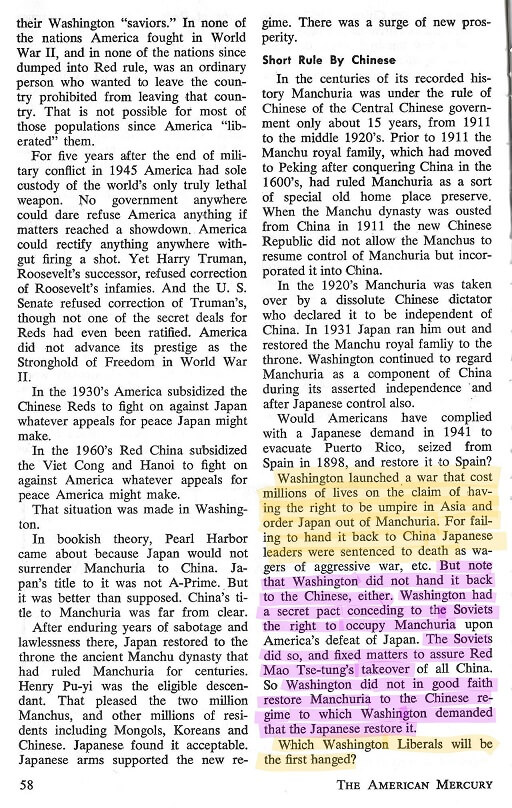
¶ Japan never invaded “China” or any nation in a modern era. Han Chinese/Soviet/the US invaded Manchuria.
¶ Summary
Japan never invaded “China” in a modern era??
You might be surprised. But this is true. Japan had two wars in China. English name “Sino”-Japanese war is misleading, the first Sino is Manchus and the second Sino is Han Chinese. They are different representations.
|
Who are these people? If you say Chinese, you don't know the history. They are Manchus who originally came from North East beyond Great wall. 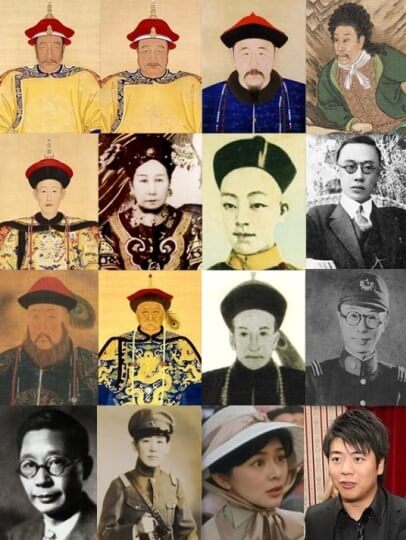
|
| English name | Sino-Japanese war |
| Japanese name | 日清戦争 |
| war period | 1894/7/25-1895/4/17 |
| Japanese opponent |
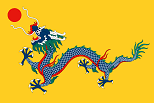 Qing dynasty (Manchu ruled China) |
| How it started? | The mutual conflict over Korea, not Japanese invading China. |
| English name | 2nd Sino-Japanese war |
| Japanese name | 日中戦争 |
| war period | 1937/7/7-1945/8/15 |
| Japanese opponent |
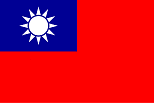 Republic of China(ROC) Han Chinese Chiang kai-shek/Soong mei-ling, Republic of China. (The US first recognized it in 1928 after shelling Nanking city as a retaliation of assault in 1927. Since 1940, the US interfered with 2nd Sino-Jpn war, supporting Chiang militarily and economically leading to Pearl Harbor in 1941.) Note: Manchu is now on Japanese side as Manchoukuo. |
| How it started? | The definition of “When” varies among different opinions. Generally it says Marco polo bridge incident (Chinese shot first) in 1937. |
¶ “Why was Japanese military in China?”
Why was Japanese military in China in the first place? people ask.
The answer is because in 1900 at Boxer Rebellion at Qing era, Chinese killed Japanese diplomat, Akira Sugiyama. China was not trusted. Therefore Japan and the Powers had to protect their own citizens in China by themselves by having their militaries stationed legally under Beijing protocol.
Yet still, after Xinhai revolution in 1911, uprising Han Chinese has attacked Japanese as below.
1927 Chinese Assault on Japanese/the US consulate in Nanking.
1927 Chinese Assault on Japanese Hankou concession.
1928 Jinan incident.
1937 Tongzhou Massacre Chinese military killed about 200 Japanese civilians (the half were Koreans) brutally from children and women .
The main source for the conflicts in China with Japan can be separated into two. 1) Manchuria issue and 2) Han Chinese Chiang kai-shek as below.
¶ 1) Manchuria issue
Back then China was ruled by Qing dynasty Manchus who are not Han Chinese.
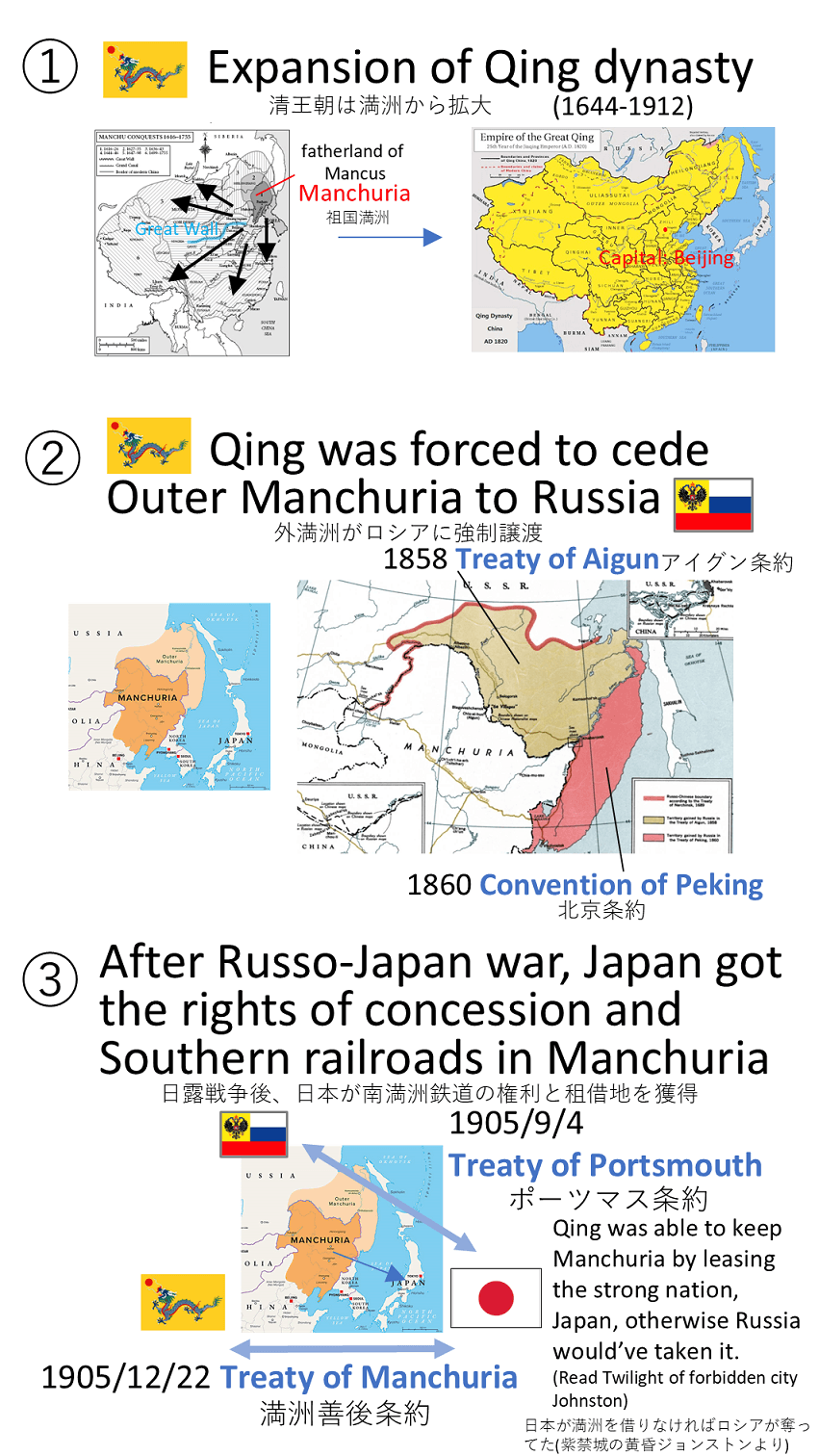
In 1905, after Japan won the war against Russia, Japan had the treaty with Russia, Treaty of Portsmouth 1905/9/4 , suppressing the further invasion by Russia who already took “outer” Manchuria from Qing. Japan got a concession in “inner” Manchuria leased by Qing and the right of Southern railroad from Russia by the agreement with Qing, Treaty of Manchuria (満洲善後条約) 1905/12/22. Qing was able to prevent Russia from invading further by leasing Manchuria to Japan. Japan managed the concession in Manchuria so well, by 1931 the population got doubled according to Lytton report.
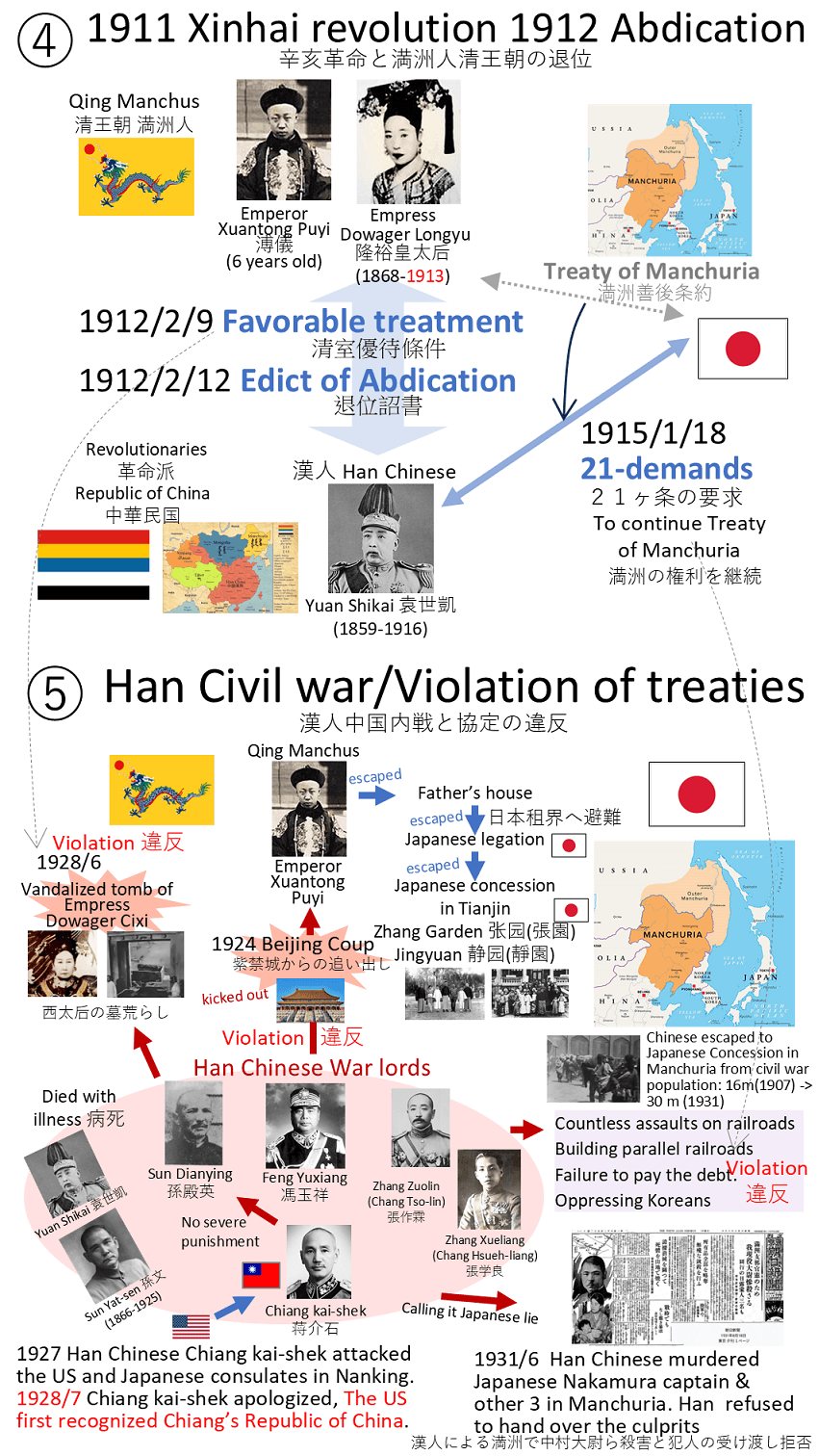
But the trouble started at Xinhai revolution in 1911, Manchu lost a power and got massacred by Han Chinese. The new revolutionary Han Chinese leader Yuan Shikai received the rights from Qing Manchus by Abdication treaty (1912/2/9, 1912/2/12). He had also treaties with Japan and the Powers in 1912 for renewal of treaties they had with Qing while Japan loaned him a money. Yet Yuan(Han Chinese side) died quickly with illness in 1916 and Empress Longyu (Qing Manchu side) also died in 1913. The only legitimate Manchu royal left is Puyi who was only 6 years old in 1912, vulnerable to uprising multiple Han Chinese warlords claiming "China" which got into civil war.
China became at disorder state, and Han Chinese violated the abdication treaty with Manchus, by 1) getting Manchu royal kicked out of Forbidden city in 1924 and 2) vandalizing the tomb of Qing dynasty Empress Cixi and didn't punish enought those responsible. Manchu royal escaped to the concession in Tianjin leased to Japan. Meanwhile, Japanese were also in a big trouble with their concession/railroads in Manchuria because Han Chinese violating the treaty by building the parallel railroad and bandits terrorized the railroads ( Manchuria-Mongolian Problem ). In 1931 on August two Japanese military officers and other two were murdered by Chinese military yet Chinese warlords refused to hand over the culprit. Therefore in 1931, Japanese took military intervention and kicked Han Chinese warlord such as Zhang Xueliang out of Manchuria, and asked Qing Manchus emperor Puyi who was at Japanese concession in Tianjin to come back to their ancestral home, Manchuria. Puyi did so with his own will. Then Japan and Manchu built a rebrand Qing nation, Manchoukuo in 1932 Manchoukuo: A rebrand nation of Qing dynasty.
¶ 2) Han Chinese Chiang kai-shek
This is about the conflict in China, 2nd Sino-Japanese war, Han Chinese Chiang kai-shek/Soong mei-ling vs Japan.
In 1927 one of Han Chinese warlords, Chiang kai-shek's military attacked the US and Japanese consulate in Nanking followed by Chinese attack on Japanese concession in Hankou. Therefore Japanese government decided to send more troops in China to protect Japanese citizens. Then in 1928 Chinese and Japanese militaries crushed at Jinan incident.
At Marco polo bridge incident in 1937, Chiang's military shot first leading the battles in Shanghai, Nanking and Chongqing as Chiang kai-shek escaped through these locations.
After the battle of Nanking in 1937-1938, in 1940, a new Han Chinese leader Wang Jingwei re-established Republic of China in Nanking, which Japan supported. The US, Franklin Roosevelt interfered with it by supporting Chiang kai-shek/Soong meiling militarily and financially, putting Japan on isolation of economic trade with British and Dutch, and ultimately sent ultimatum on November in 1941 to withdraw from China and deny Wang Jingwei, this is the same as demanding Japan to accept a defeat on 2nd Sino-Japanese war. Japanese had no choice but to attack the US, Pearl Harbor.
¶ How did all end?
The US (Franklin Roosevelt) and British (Churchill) considered Manchuria should belong to Han Chinese Chiang kai-shek, Republic of China and never recognized Manchoukuo while 19 nations recognized it. During WW2 at Cairo Declaration(1943/11/27) Franklin Roosevelt, Churchill, and Chiang kai-shek agreed on giving Manchuria to Chiang kai-shek. Yet at the almost end of WW2 at Yalta meeting(1945/2/4-11) Franklin Roosevelt gave Manchuria to Stalin asking to break a treaty with Japan and join a war against Japan. This contradictory move to Cairo declaration was a betrayal to Chiang kai-shek. On 9 August Soviet invaded Manchoukuo but turned the regions in East Europe and East Asia into communism. Roosevelt learned Stalin violated agreement with US, and he got angry and died with illness. After WW2, Chiang got defeated by Mao and escaped to Taiwan(1949/12/10), Mao took Manchuria and currently People's Republic of China (PRC) illegally has it. The US had a change of heart, Nixon met Mao(1972/2/21) and Carter terminated diplomatic relationship with Republic of China(Chiang) (1979/1/1) and switched to People's Republic of China(Mao).
¶ Chronological order
¶ Flash Card Summary for the history of Manchuria conflict
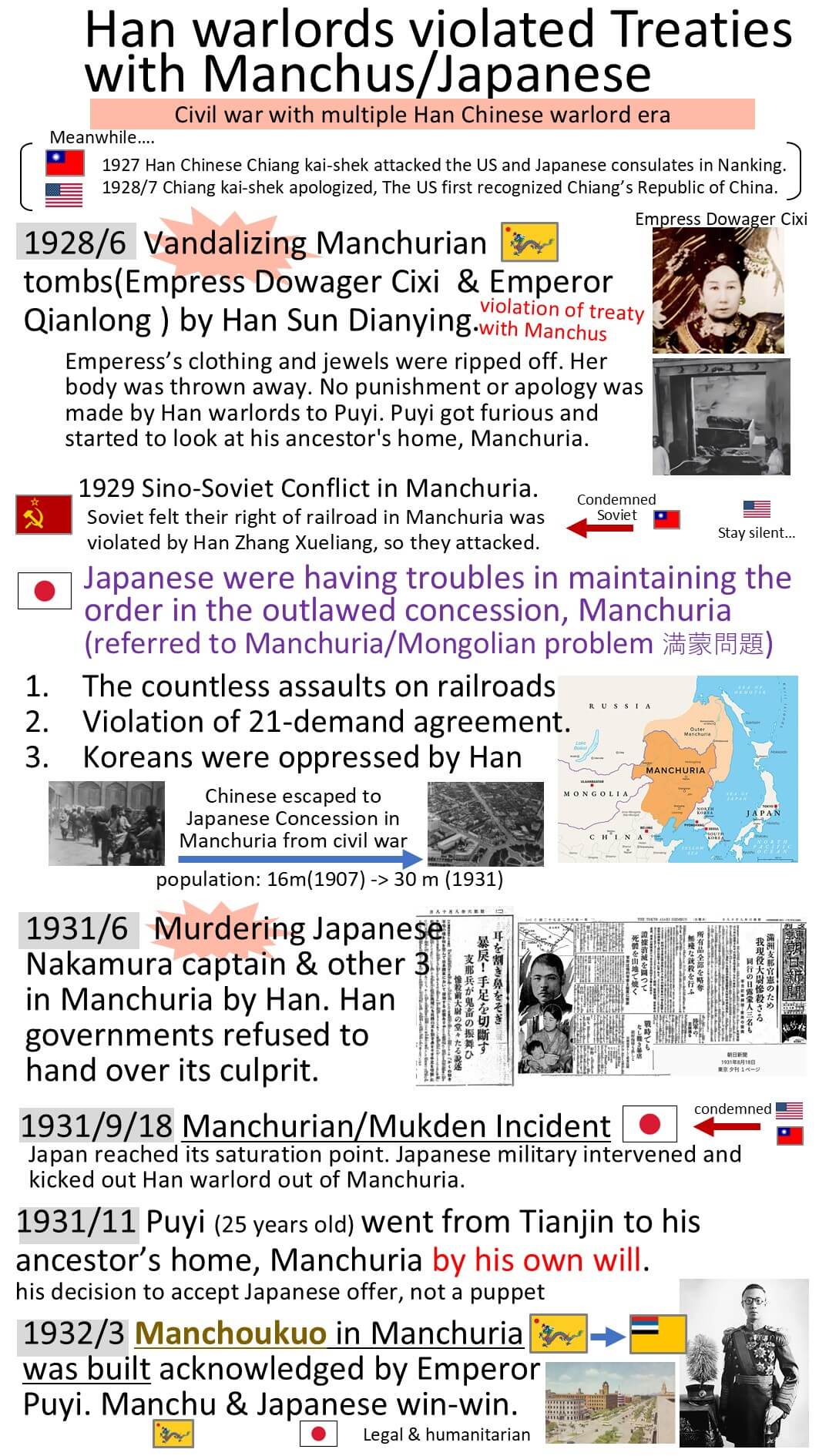
¶ The Details
The details are explained in chronological order as follows.
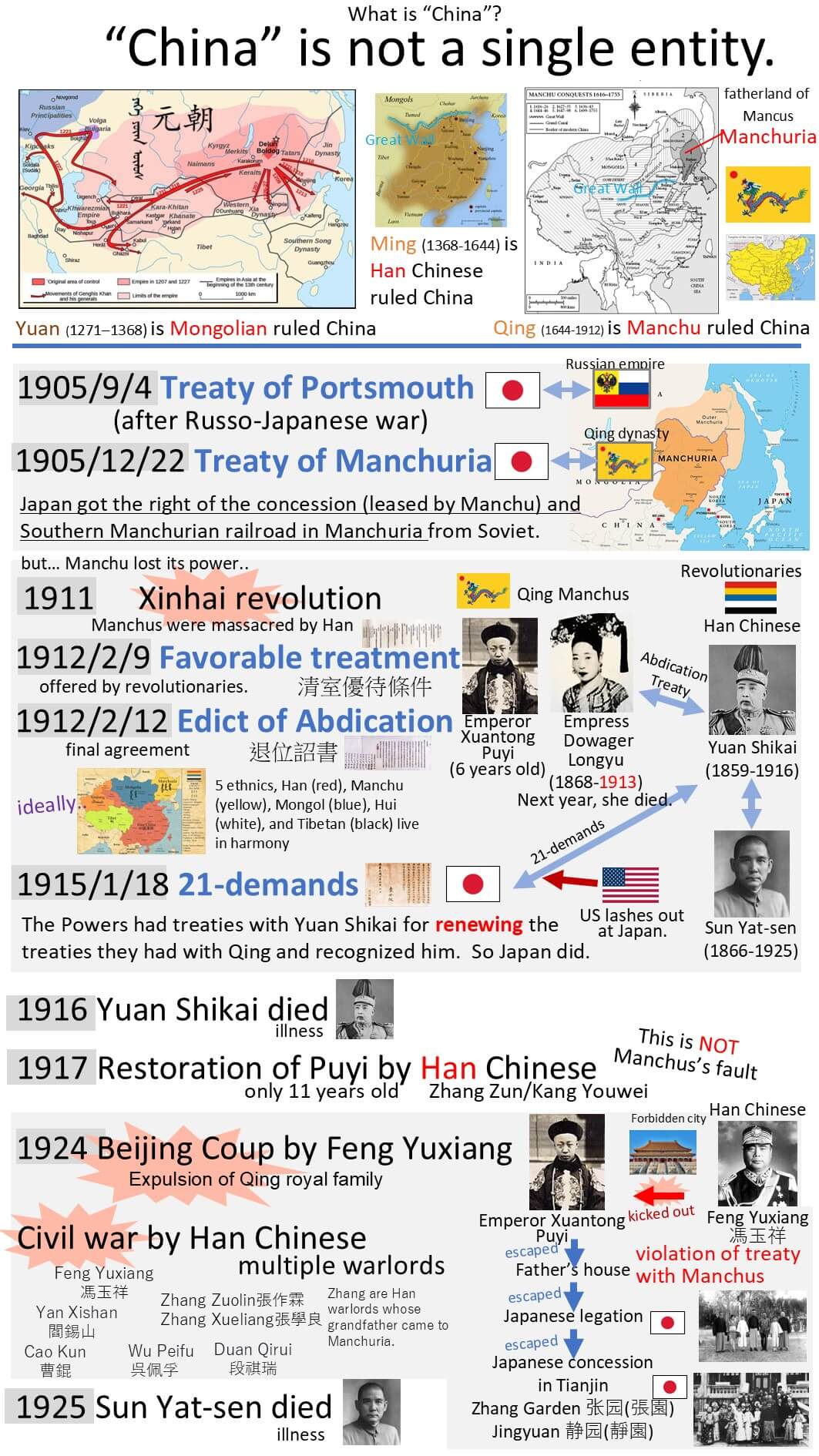
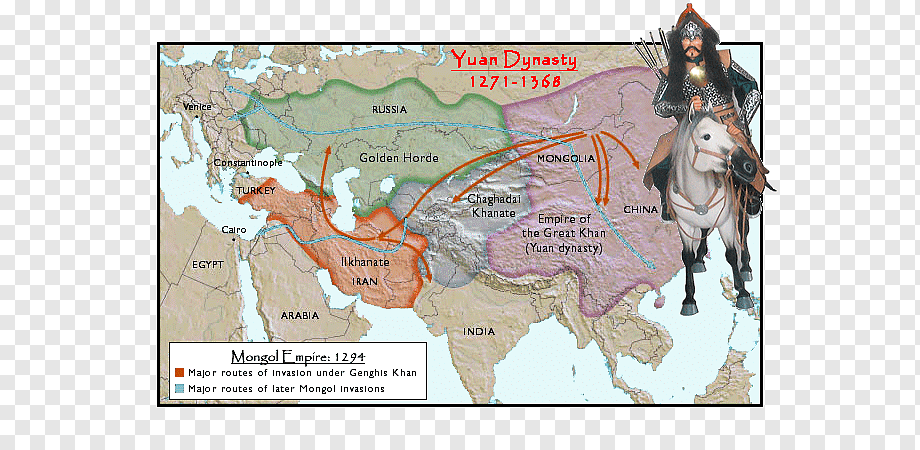
Japan never invaded “China” or any nation in a modern era. “China” is not single entity. It was a land that had been invaded by different ethnics as Yuan dynasty (1271-1368) is Mongolian ruled China, Ming dynasty (1368-1644) is Han Chinese ruled China, and Qing dynasty (1644-1912) is Manchu ruled China who are originally from Manchuria at north east part beyond Great Wall Ming built.
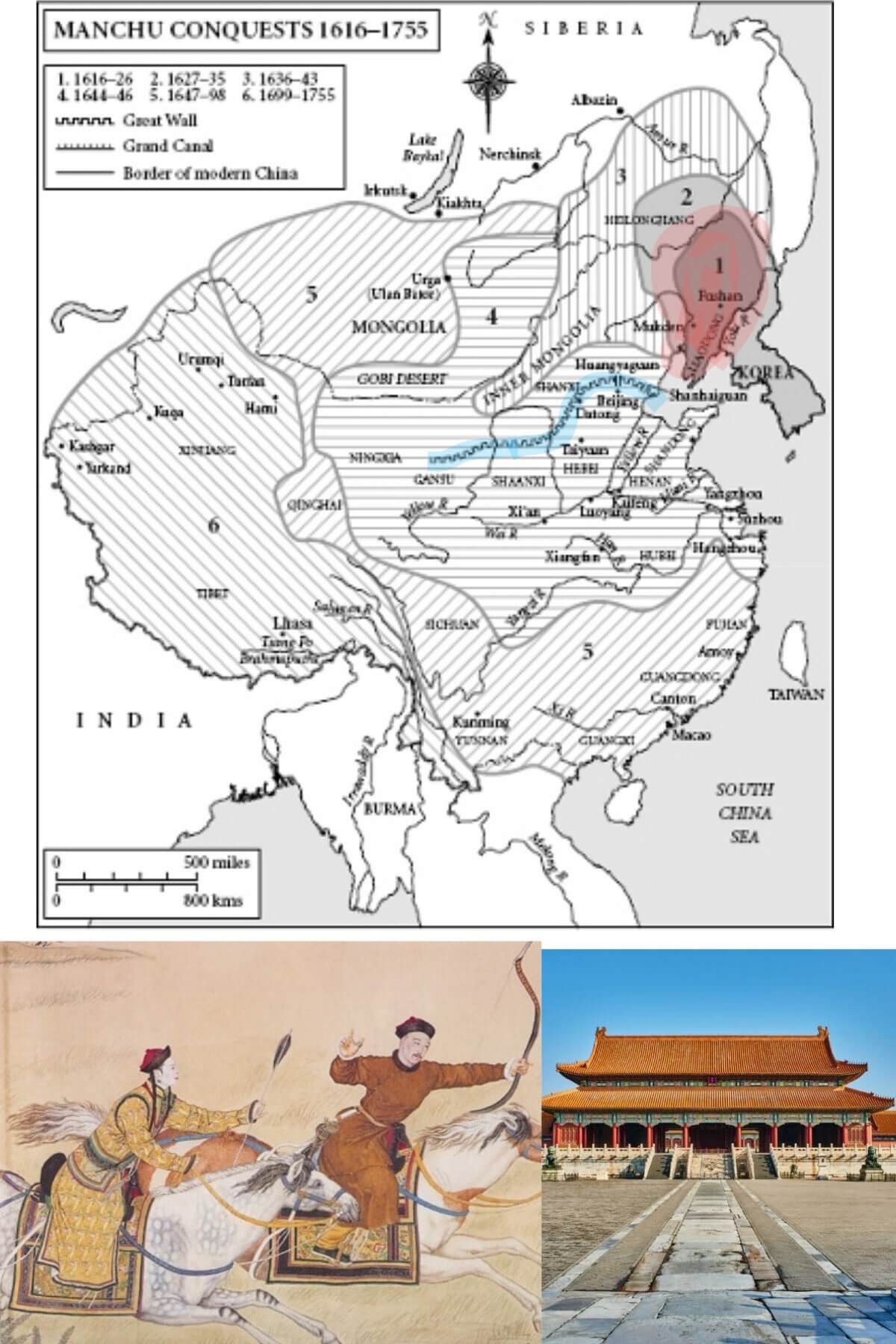
Qing who once ruled “China” was then abused and exploited by the Powers such as Opium War (1st 1839–1842, 2nd 1856–1860) , Treaty of Nanking(1842), Treaty of Aigun(1858 ) , Convention of Peking(1860).
¶ 1895/4/17 Treaty of Shimonoseki (下関条約/日清講和条約)
After 1st Sino(Qing Manchus)-Japanese war(日清戦争) 1894/7/25-1895/4/17, Japan got Formos(Taiwan), Penghu Islands (or Pescadores Islands) (澎湖群島), Liaodong Peninsula (遼東半島) in Manchuria. But later, the protest by Russia, Germany, and France, Japan returned Liaodong Peninsula, then later Russia took it(Triple Intervention).
¶ 1900 Boxer Rebellion (義和団の乱)
In 1900, Boxer rebellion besieged the foreign district of China’s capital city Beijing, assaulted and killed foreigners including Japanese legation, Sugiyama Akira. Western powers and Japan organized a multinational force, Eight-Nation Alliance (including US, Britain, Japan, Russia), to crush the rebellion.
https://en.wikipedia.org/wiki/Boxer_Rebellion
¶ 1901/9/7 Boxer Protocol (北京議定書)
The Boxer Rebellion was was suppressed by the armies of the Western powers and Japan, and formally ended with the signing of the Boxer Protocol on September 7, 1901 permitting the Powers and Japanese military to station troops in multiple places in China for their defense.
https://en.wikipedia.org/wiki/Boxer_Protocol
¶ 1905/9/4 Treaty of Portsmouth
After Russo-Japanese war (日露戦争), Japan obtained/succeeded the leasehold rights from Russia to southern Liaodong Peninsula (including Port Arthur and Dalian, known as Kwantung Province), railway concessions south of Changchun (the South Manchuria Railway), and the cession of Sakhalin south of 50°N latitude through .
(Japanese) Treaty of Portsmouth 日露講和条約
¶ 1905 /12/22 Treaty of Manchuria (満洲善後条約)
In 1905, Treaty of Manchuria was made by Manchus and Japan. Manchus leased concessions in Manchuria to Japanese from Soviet as decided in Treaty of Portsmouth. Source : Wiki / Japanese Gov Archive web
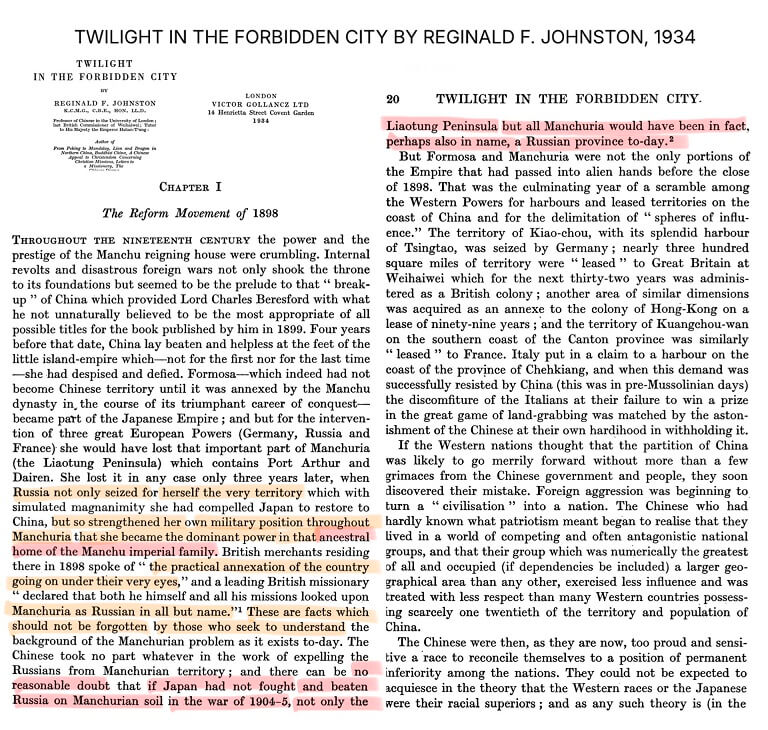
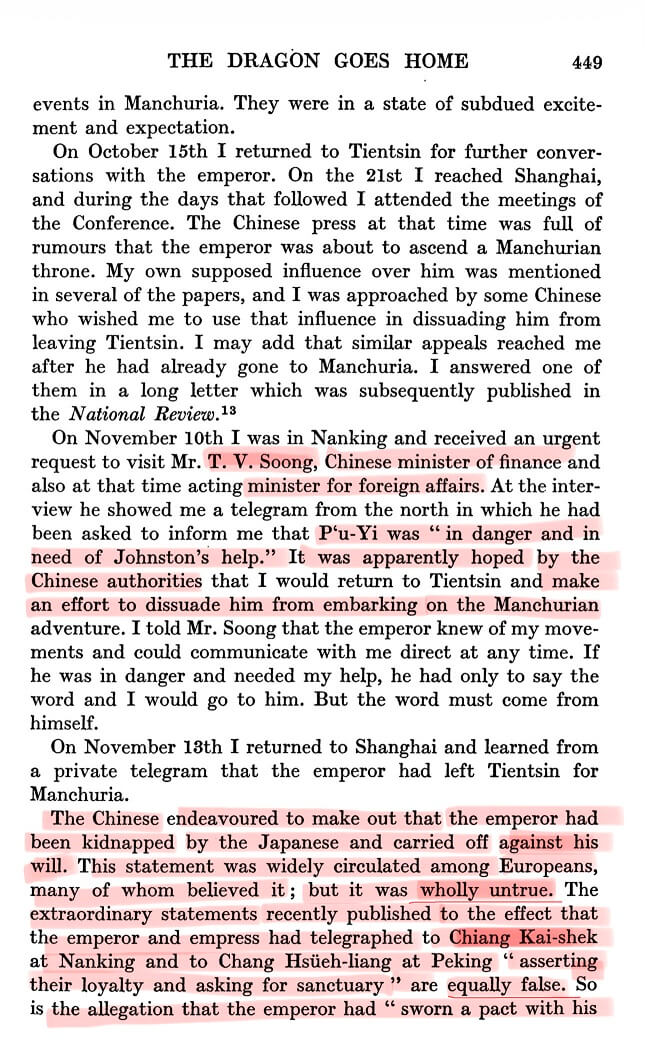
(Below) The private Scottish teacher, Johnston, for the young Qing last emperor says, if Japan had not won a war against Russia, Manchuria was invaded by Russia. It means, Qing was able to keep Manchuria by leasing to a strong nation, Japan, from Soviet which already took outer Manchuria.
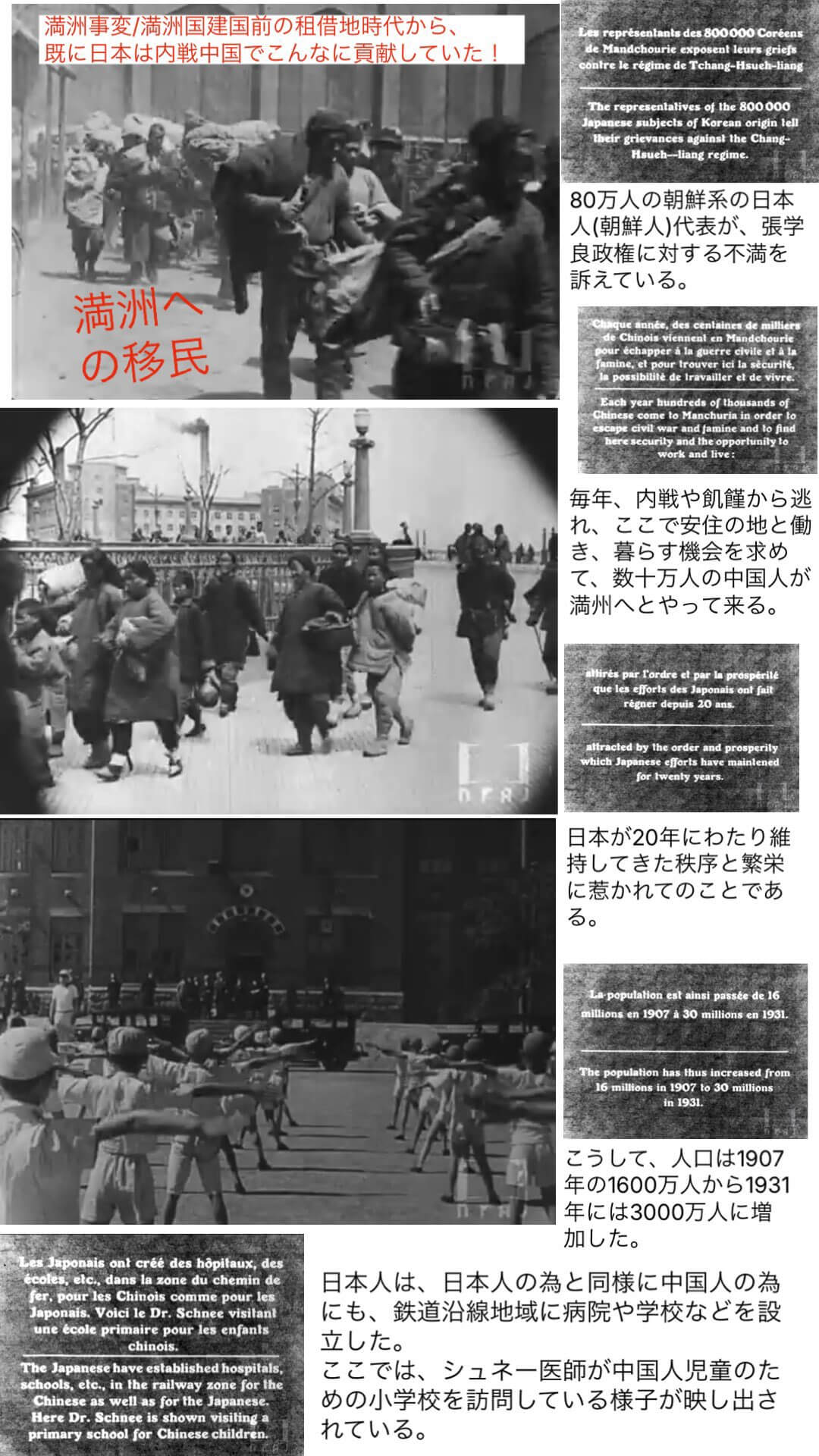
(Below) The Lytton Commision Report about Japanese concession Manchuria at Mukden Incident in 1931. It shows Japan governed concession Manchuria well through Xinhai revolution and civil war, and its population doubled. (After Mukden incident, it became an independent nation, Manchoukuo by Japanese and Manchus).
¶ Xinhai Revolution (辛亥革命) in 1911 and Abdication Treaty (退位協定) in 1912
This is when all problem started. Manchurian rule, Qing dynasty was losing its power and Xinhai revolution by Han Chinese in 1911 happened.

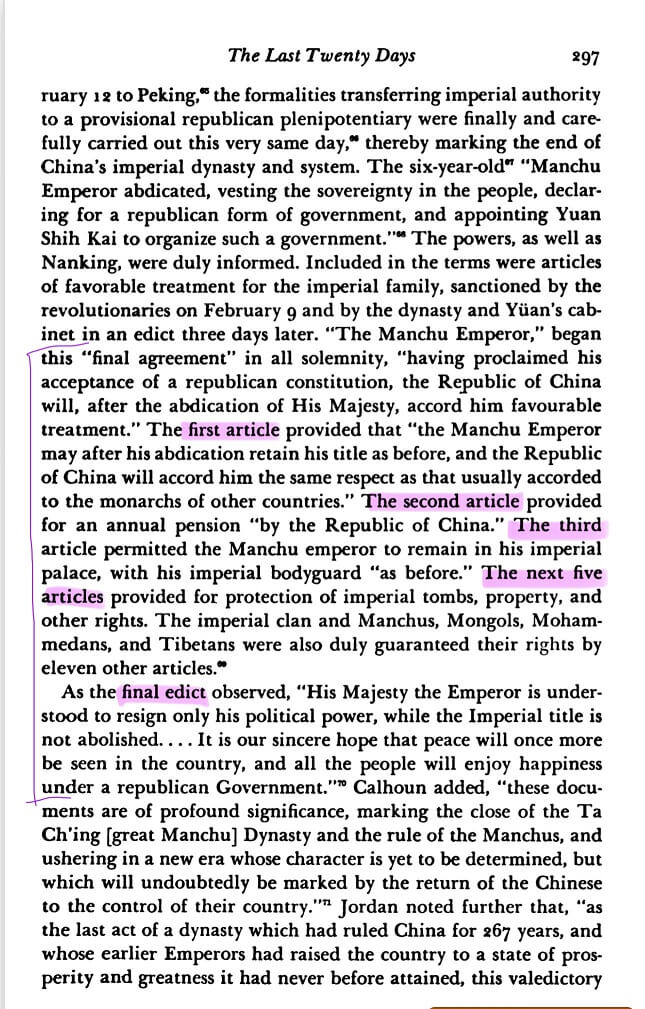
Manchurian royals agreed on Abdication Treaty (Favorable treatment) on February 11, and official Abdication Edict on 12 in 1912 with Han Chinese Yuan Shikai on Republic of China. This is the international, supreme and the last treaty made by Manchus, which promises to live with 5 ethnic groups of people (Han, Manchus, Mongolian, Tibetan, Islamic) in harmony representing 5 colors in flag.
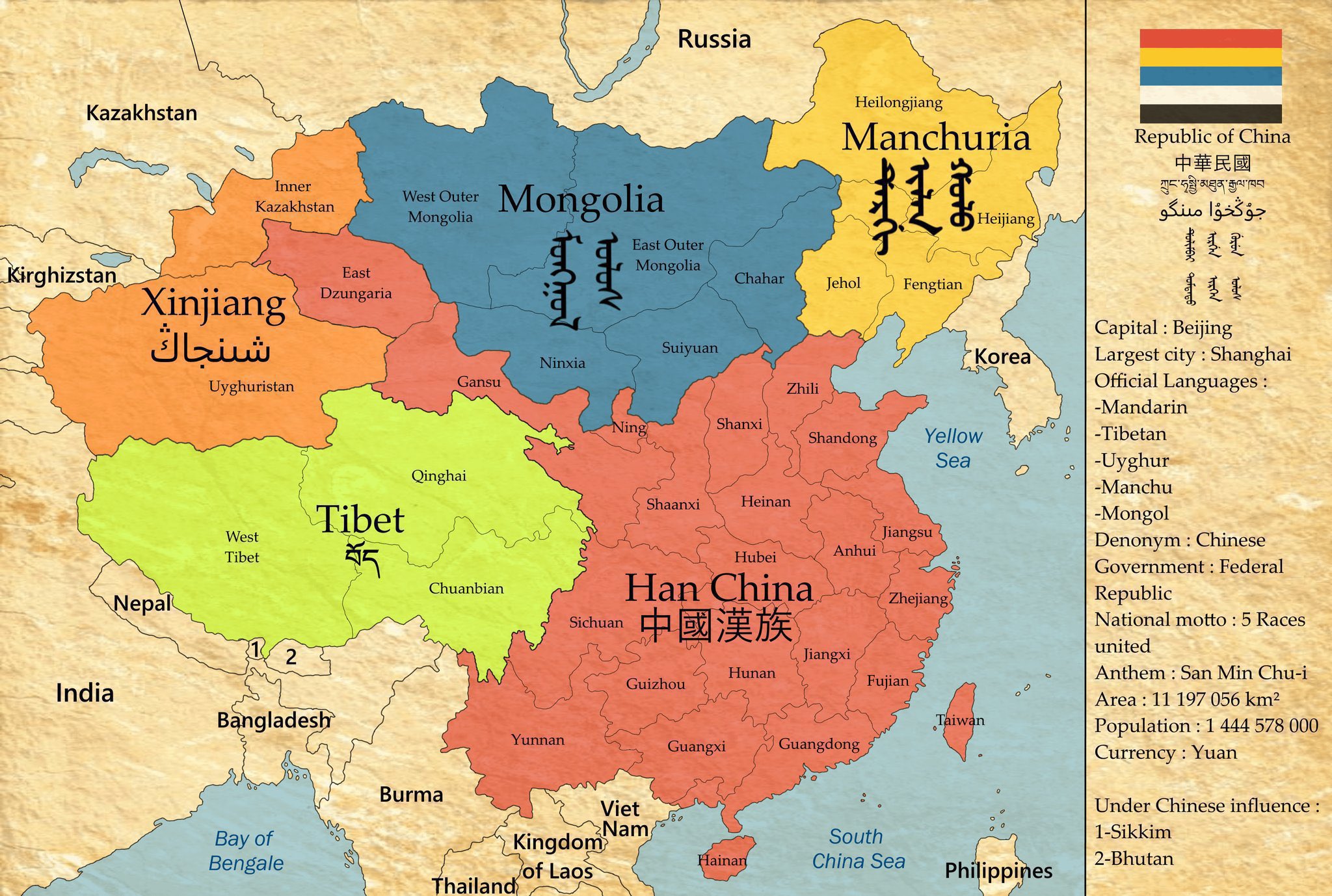
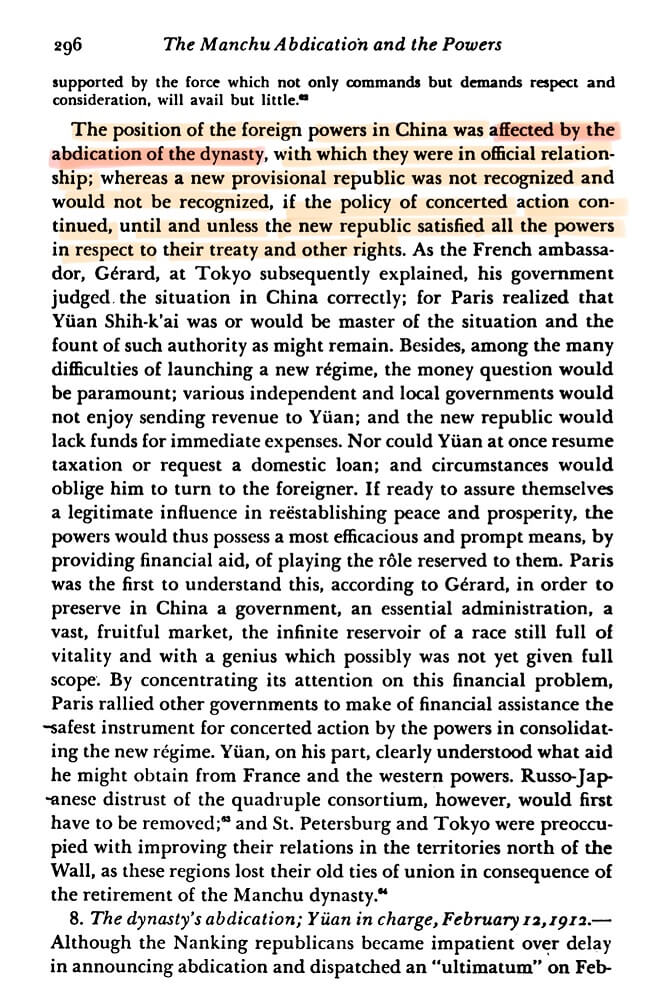
This “conditional“ transition of power from Manchus to Han Chinese is not just the matter of Manchus, Republic of China and 5 ethnics, but it involved the Powers, Western nations and Japan as well. Why? It is because Western nations and Japan HAD treaties with Qing dynasty and they wanted to continue , they wouldn't recognize Yuan Shikai Republic of China as a legitimate new successor if he didn't respect and follow the treaties Qing had with these nations. ( The Manchu Abdication and the Powers by John Gilbert )
Yuan agreed and had treaties with the Powers and Japan, but also he was able to get a loan he needed from these nations. Therefore this is more like a mutual interest and agreement involving Manchus, Han Chinese, the Powers and Japan.
|
|
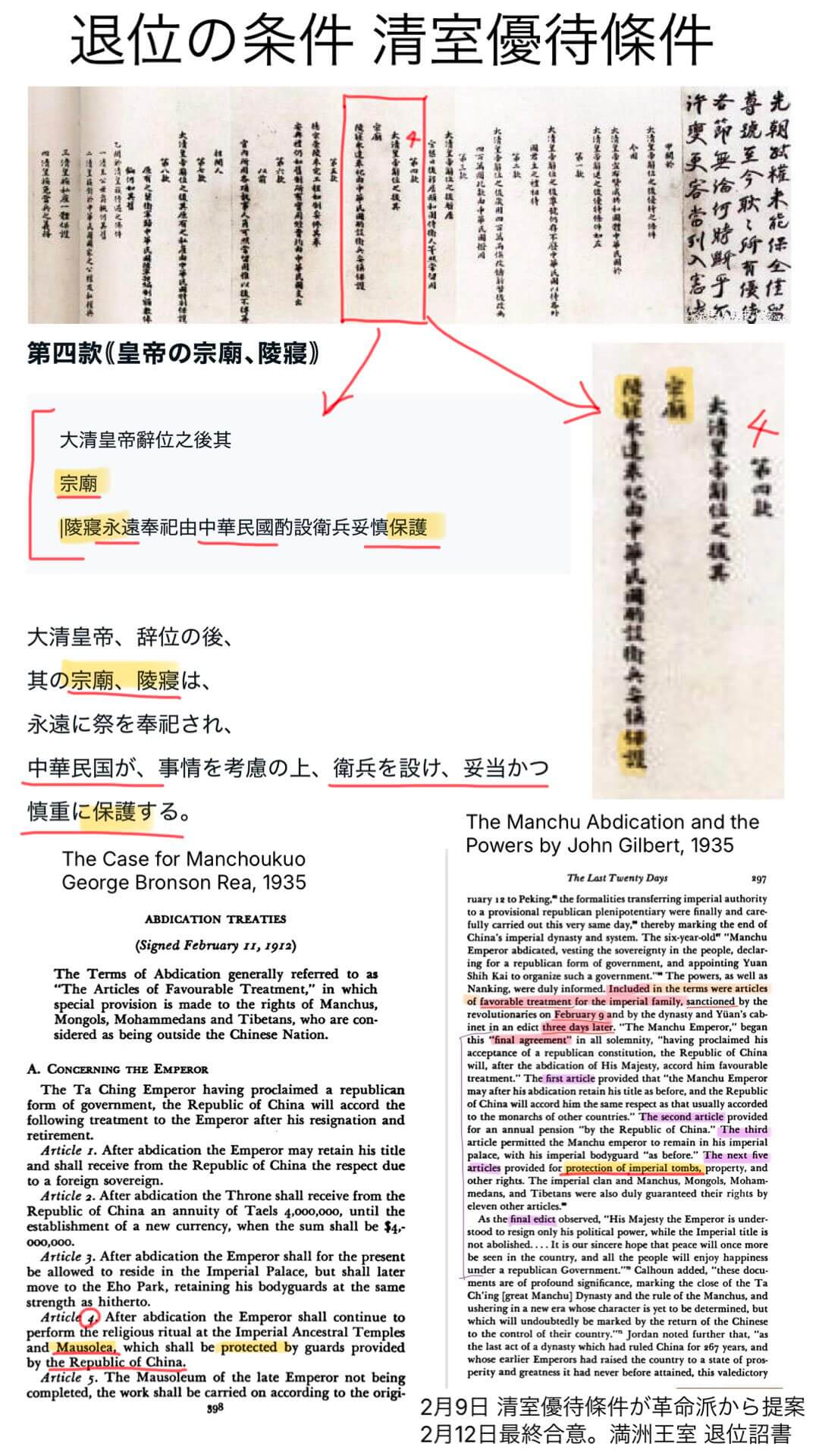
On February 9 in 1912, the terms of The Articles of Favourable Treatment of the Qing Imperial Household 清室優待條件 was sanctioned by the revolutionaries and proposed to Manchurian royals. Three days later, finally on February 12 in 1912, Manchus royals made “final agreement”, issued the Imperial Edict of Abdication of the Qing Emperor 退位詔書, proclaiming the acceptance of a republican constitution, and the Republic of China will, after the abdication of His Majesty, accord him favorable treatment.
|
The Articles of Favourable Treatment of the Qing Imperial Household 清室優待條件 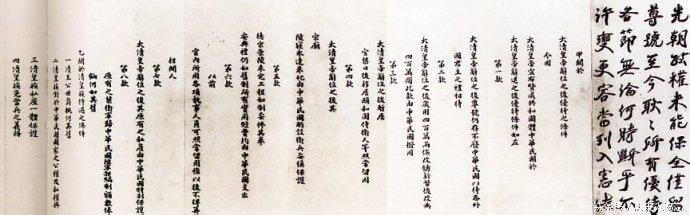 This was translated to English as below in the book, Case for Manchoukuo by George Bronson Rea . It was handed out to the Powers. Abdication Treaties generally referred to The Articles of Favourable Treatment of the Qing Imperial Household about the rights of Manchus, Mongols, Mohammedans, and Tibetans. 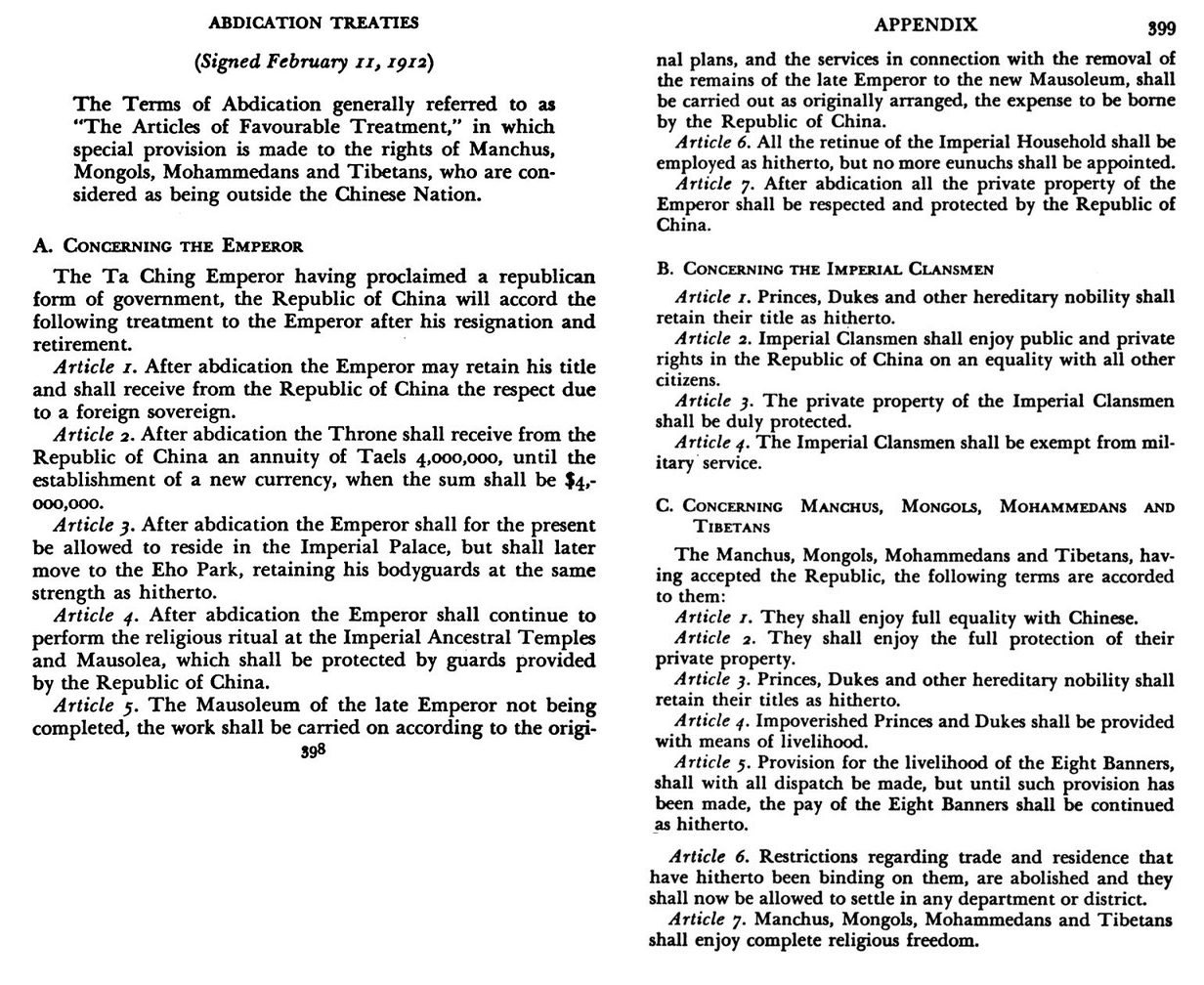
Imperial Edict of Abdication of the Qing Emperor 退位詔書 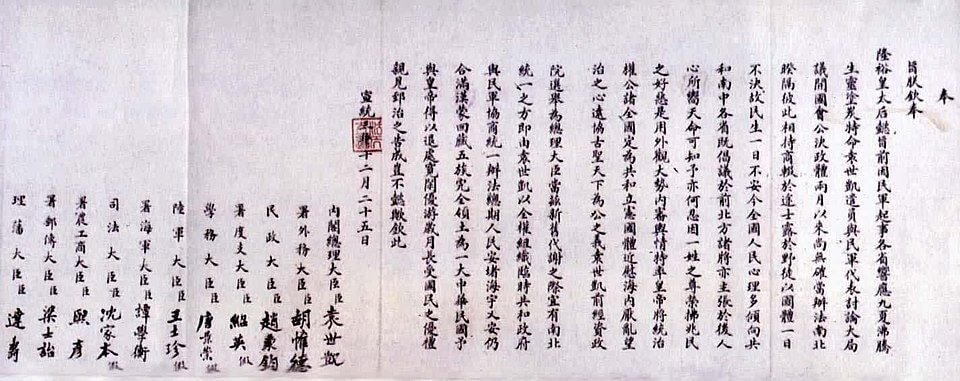 |
|
|
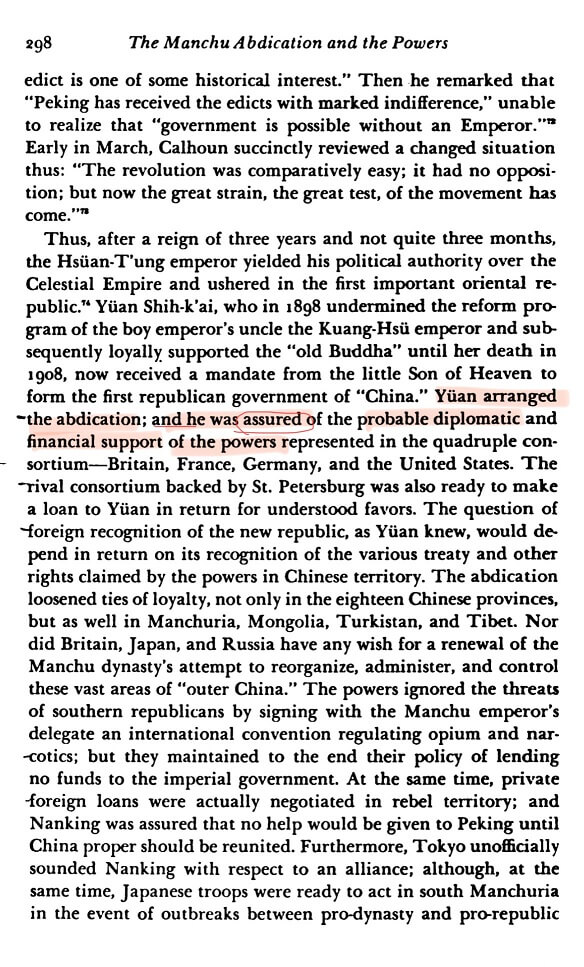
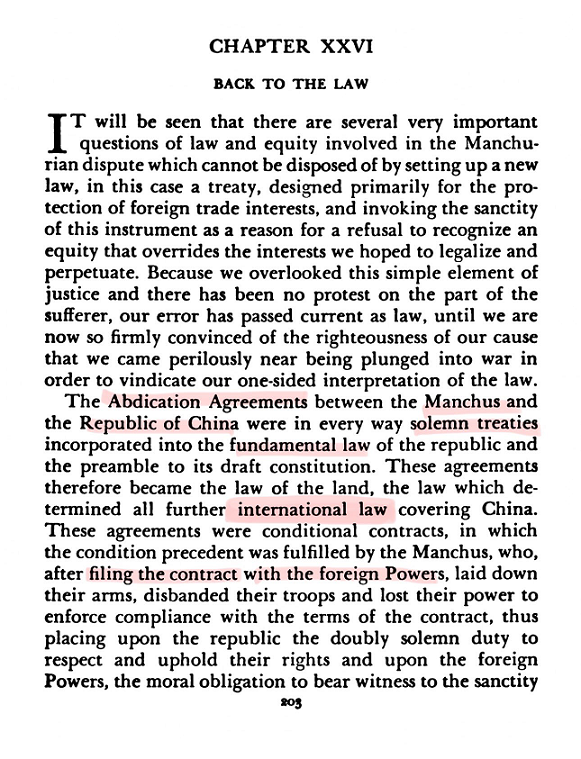
(Left below) The Abdication Treaties are the supreme law, overriding all treaties that may have been subsequently entered into between the Republic of China and Foreign Powers.
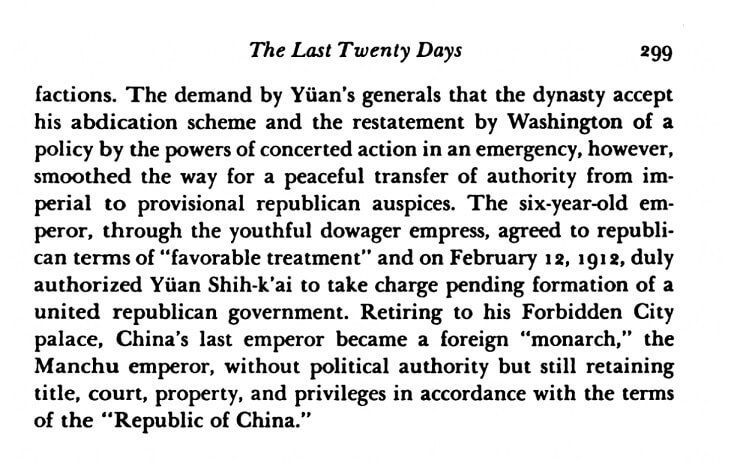
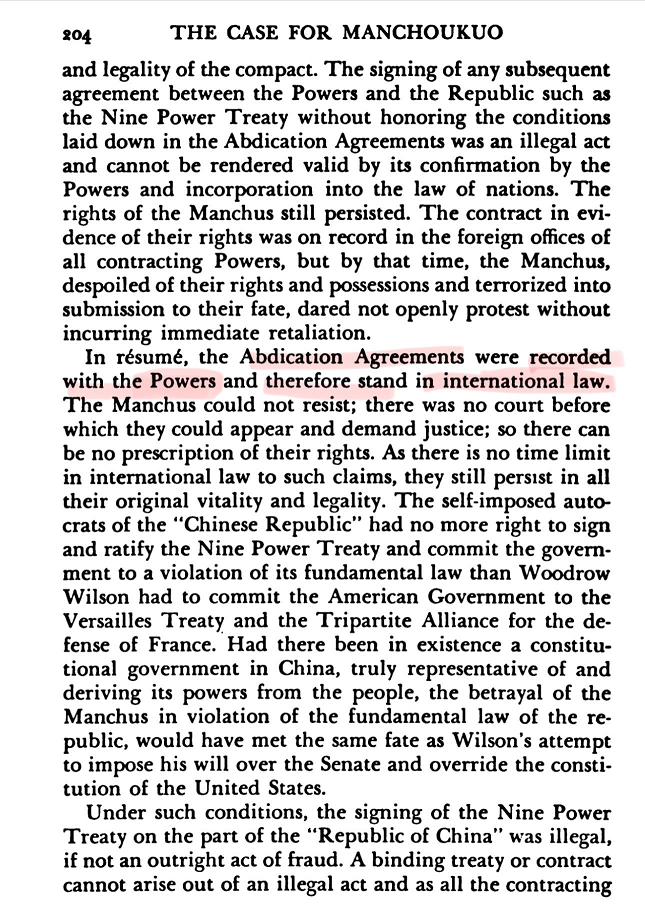
(RIght below) The demand by Yuan's generals that the dynasty accept his abdication scheme and the restatement by Washington of a policy by the powers of concerted action in an emergency. The six-year-old emperor, Puyi, the youthful dowager empress, agreed to republican terms of “favorable treatment”. On February 12, 1912, duly authorized Yuan Shikai took charge pending formation of a united republican government. Manchurian royals retired to Forbidden City palace, the last emperor became a foreign "monarch", without political authority but still retaining title, court, property and privileges in accordance with the terms of the “Republic of China” .
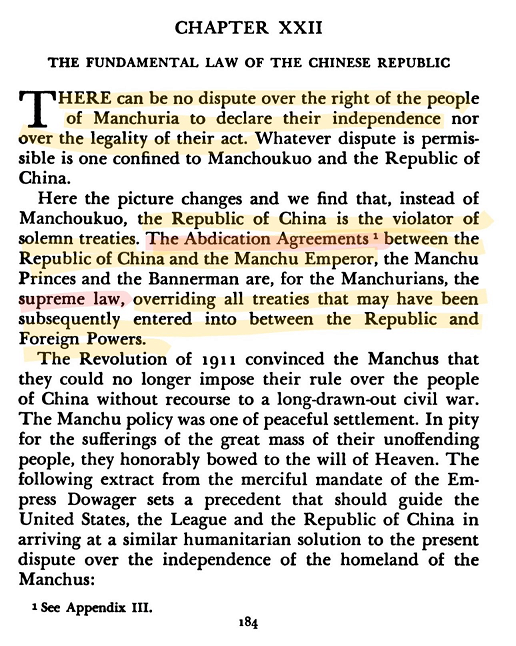
(Left below) Abdication Agreements between Manchus and the Republic of China(Yuan Shikai) were in every way solemn treaties incorporated into the fundamental law of the republic and the preamble to its draft constitution. These agreements therefore became the law of the land, the law which determined all further international law covering China.
(RIght below) Abdication Agreement were recorded with the Powers and therefore stand in international law. No time limit in international law to such claims, they still persist in all their original vitality and legality. The self-imposed autocrats of the “Chinese Republic” had no more right to sign and ratify the Nine Power Treaty and commit the government to a violation of its fundamental law of Republic of China.
¶ Han Chinese failed to keep the promises
China cannot keep a promise! Only 4 years after abdication, Yuan Shikai died with illness 6th June in 1916, and the man of a hope for new China, Sun Yat-sen died on 12th March in 1925 as well. China became in a state of chaos at civil war, multiple warlords claimed “China”. The appropriate transition of power from Manchus to Han Chinese by treaties has failed. The greatest victim was the Manchus, followed by the Japanese who had concessions and railroad leased from Manchus.
¶ Massacre and violation of Abdication treaty
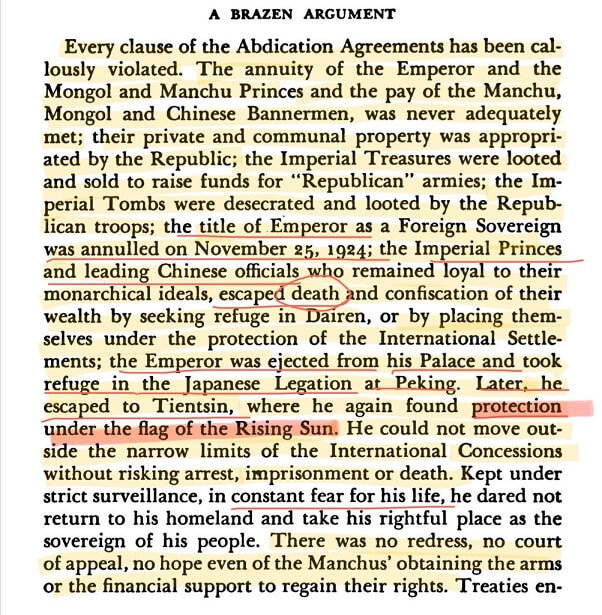
Han Chinese massacred Manchus and violated Abdication treaty with Manchus.
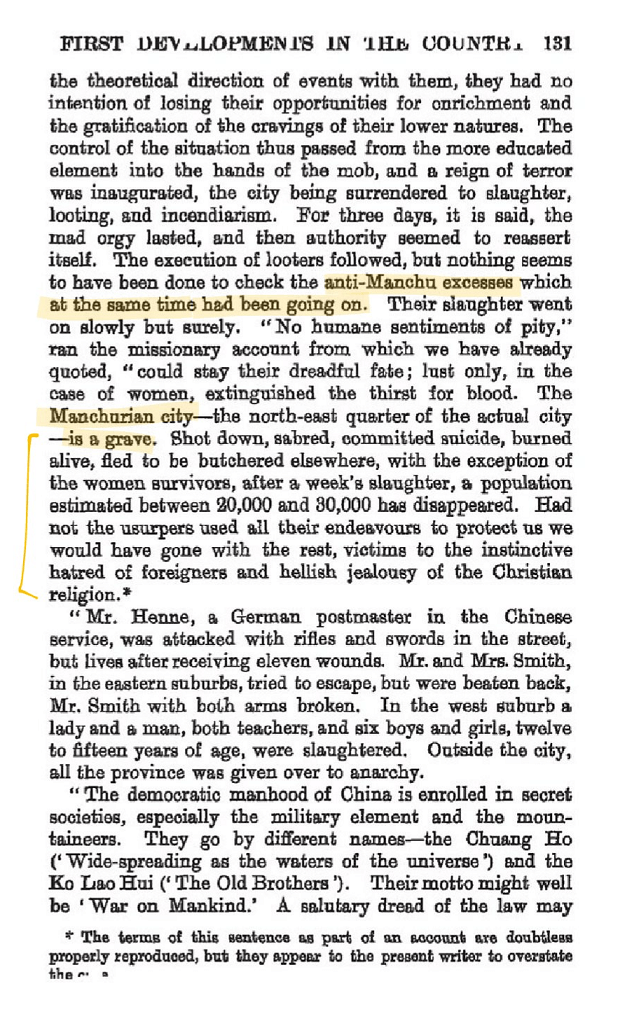
(Below) The annual pension was never paid to other ethnics.
¶ 1924 Beijing Coup by Han Chinese Feng Yuxiang
In 1924, Manchurian royals and last emperor Puyi was kicked out of Forbidden City, escaped to his father's house, then escaped to Japanese legation in Peking secretly.

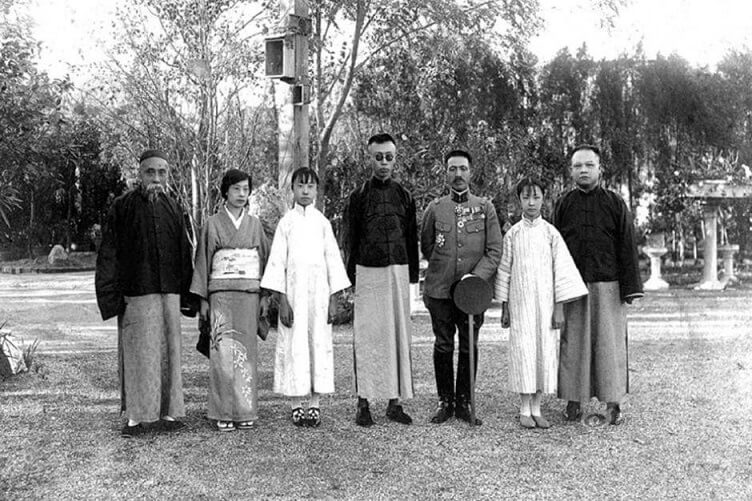
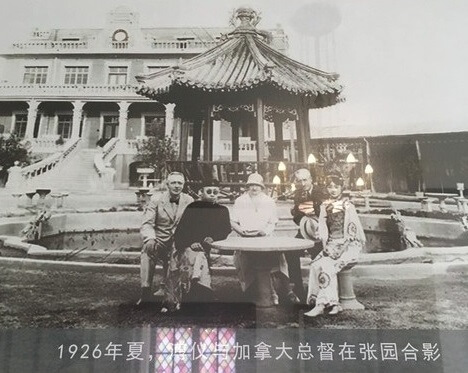
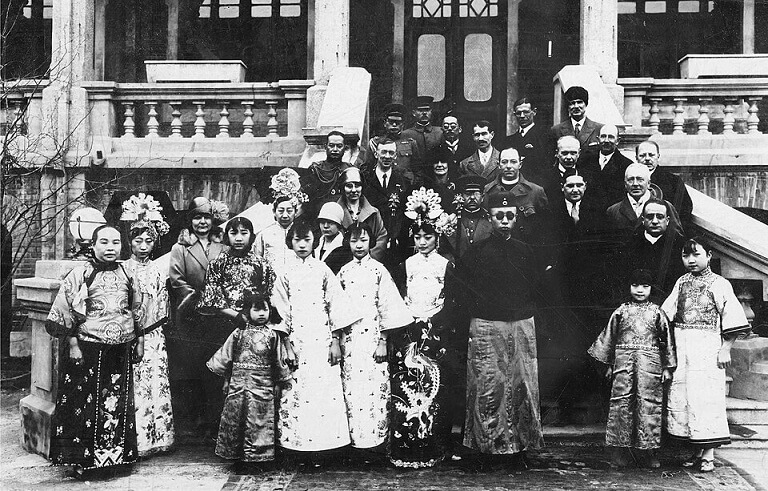
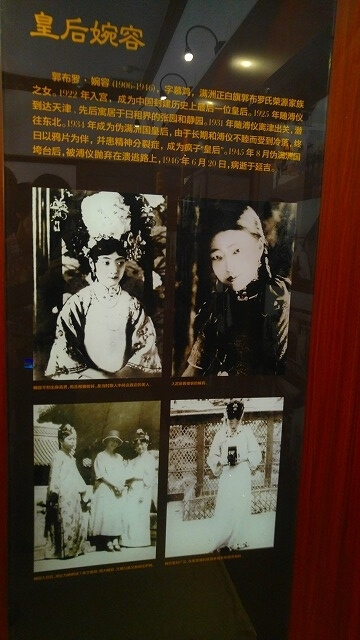
Later moved to Japanese concession in Tianjin, the resident Zhang Garden 张园(張園) (not open to the public) for 4 years then, Garden of Serenity/Jingyuan 静园(靜園) for 3 years until moving to Manchoukuo in 1932. Probably Manchu royals wouldn't have thought the land leasing to foreign nations(Japan) would save them and become a good hideout at the revolution.
Jingyuan 静园(靜園) is a nice traveling spot. Blog1, Blog2 .
¶ 1927 Assault on foreign consulates in Nanking by Han Chiang kai-shek
¶ 1928 Recognition of Republic of China
This is not directly related to Manchu issue, but the important event happened, which set the US policy on China. In 1927 the military group of Han Chinese warlord, Chiang-kai shek attacked Westerners including Americans and Japanese at consulate in Nanking. The US/British retaliated by shelling Nanking city. Later Chiang apologized to the US and in 1928 the US recognized him as a leader of Republic of China. Chiang kai-shek claimed Manchuria as other Han warlords did. Since then the US had supported him while Japan had a war against him as 2nd Sino-Japanese war. Later FDR supported Chiang economically and militarily which became a cause of Pearl Harbor attack.
¶ 1928/06 Vandalizing Manchurian Tombs by Han Chinese
In 1928, Manchurian tombs of Empress Dowager Cixi and Ch'ien-lung(Qianlong) were vandalized by Han Chinese, Sun Dianying. The tomb was destroyed with dynamite. The jewels were ripped of from the body of Dowager Cixi, which was thrown away. (See more detail from Chinese site).
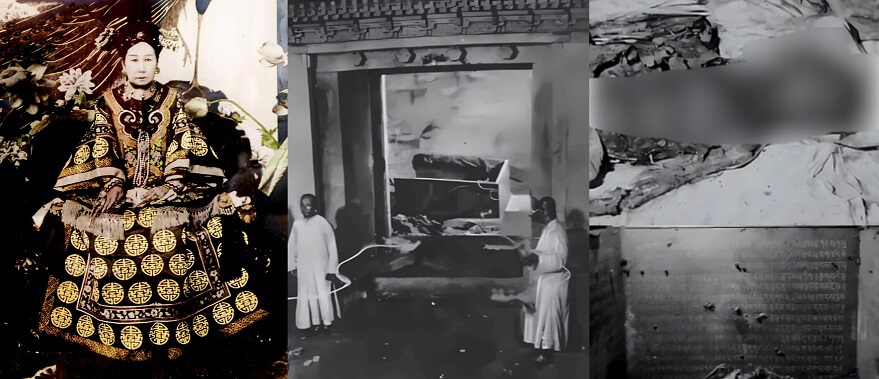
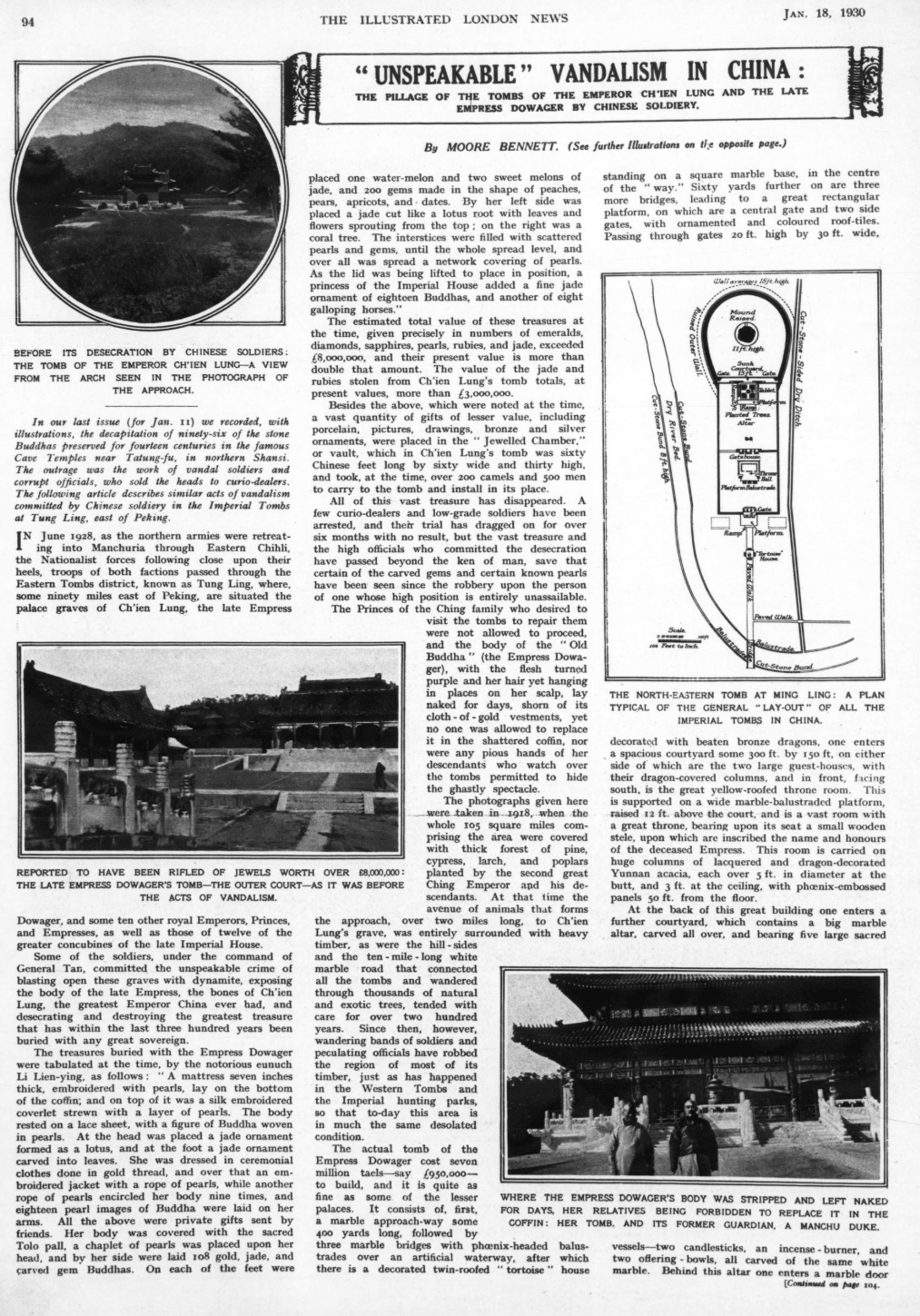
Yet there was no severe punishment on culprits or apology to Emperor Puyi by Han Chinese warlords. This is clearly violation of Abdication Treaty shown above, A Concerning The Emperor article 4, which states, “Imperial Ancestral Temples and Mausolea, which shall be protected by guards provided by the Republic of China”.
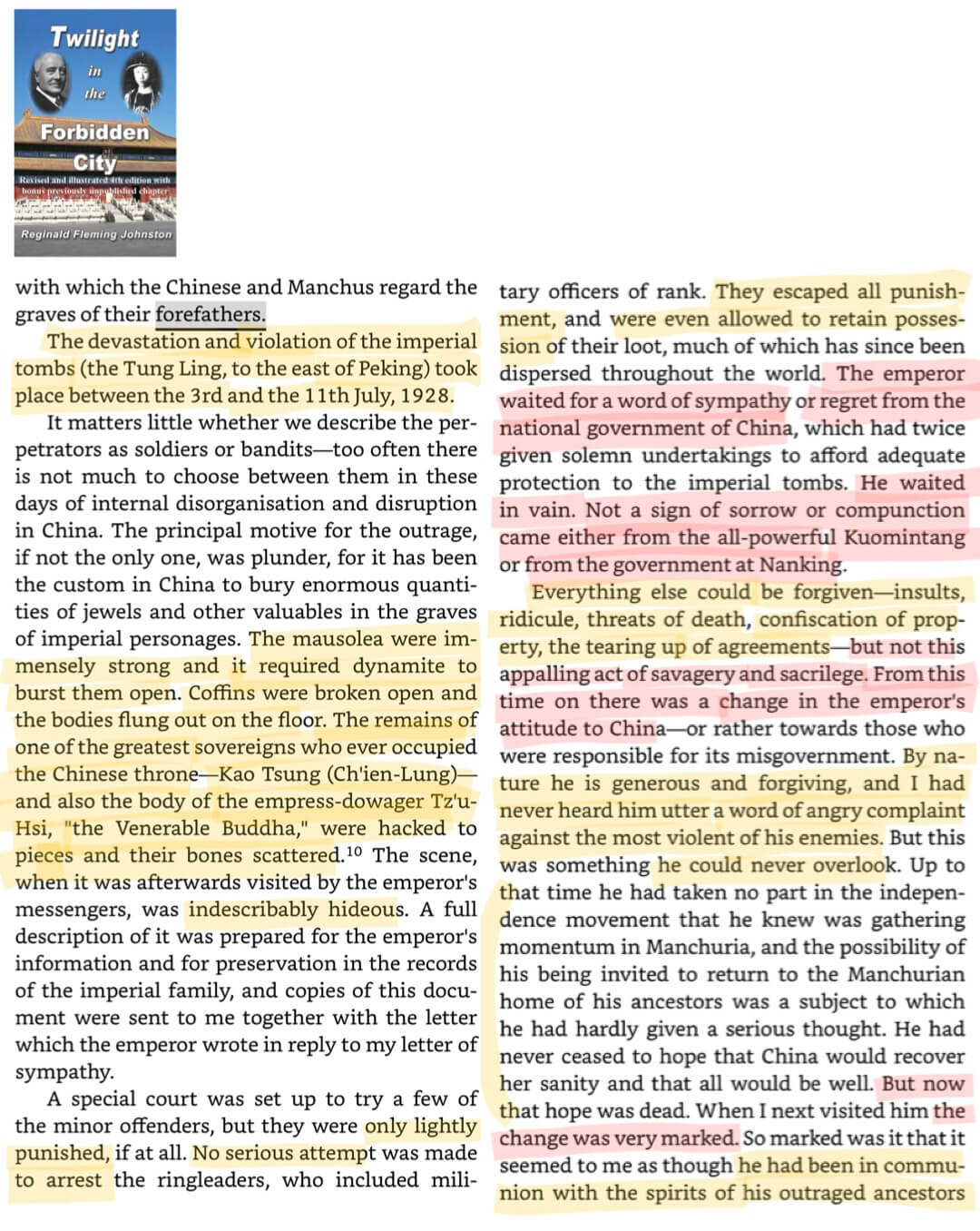
(Below) Puyi got furious. This incident changed Puyi and he started to feel that his ancestor is calling to their home, Manchuria.
¶ 1929 Sino-Soviet conflict: When Soviet felt violated:
Soviet had also a railroad in Manchuria. After Xinhai revolution, when Soviet felt violated by outlawed Han warlords, such as Zhang Xueliang, Soviet attacked him known as "Sino-Soviet conflict in 1929". Yet oddly, the US stayed silent about Soviet attack as Ralph Townsend pointed out while the US severely criticized Japanese for attacking Han warlord at Mukden incident following in 1931.
¶ How Japanese treaty with Han Chinese was violated: Twenty one demands. The railroad has been terrorized.
So far, how Han Chinese broke the treaty with Manchus was shown. Now this section shows how the treaty with Japan was violated by Han as well.
After Xinhai revolution, since Japan had a treaty with Qing dynasty, Japan expected Yuan Shikai to continue it just like other nations did. After Japan loaned money to Yuan Shikai in 1913, Japanese brought 21 demands to Yuan in 1915.
(Below) Oddly “the demand” is what Republic of China asked Japanese to make it sound like that way, so that China could appeal and excuse “they had to sign by Japanese pressure” to dodge the criticism. But after they signed, they started to protest. And worse, the US media joined criticizing Japan who already caught up with the idea that “poor” Chinese and “aggressive” Japanese as anti-Japanese propaganda.
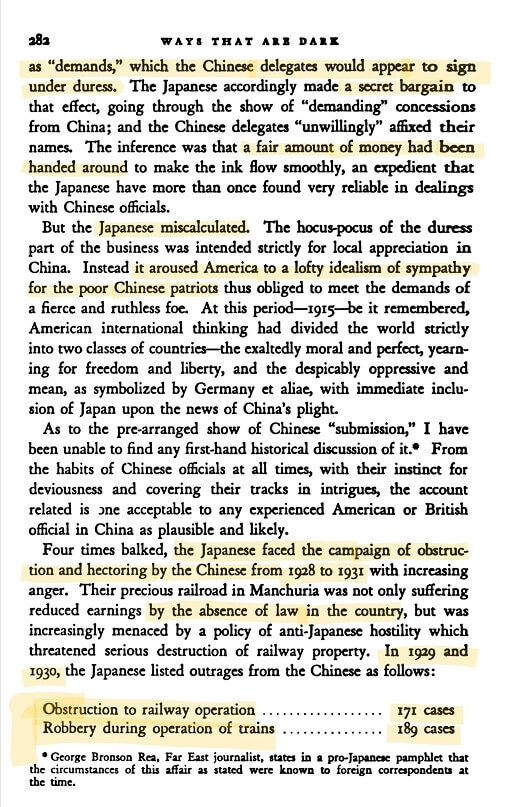
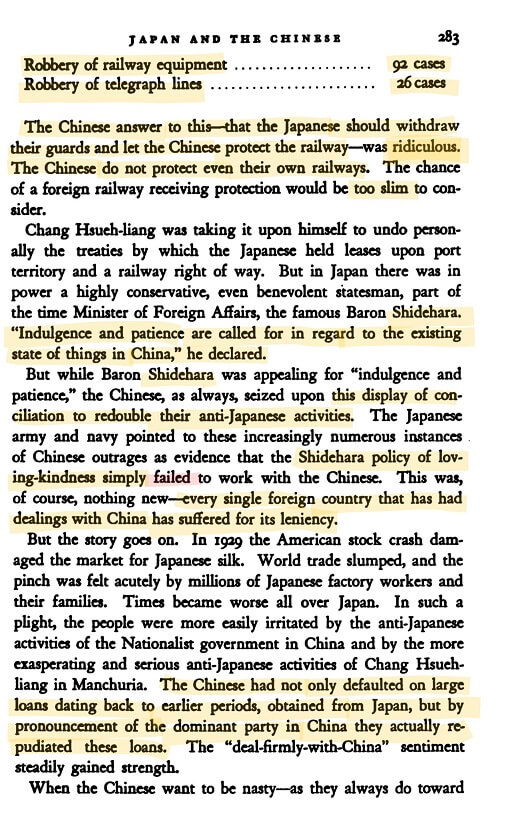

(Below)
Upper: How Republic Of China turned against Japan after signing.
Bottom: The fact that Qing Manchus had allied with Russia secretly was revealed after Russo-Japanese war. It means Japan had a right to demand a war reparation, but Japan didn't. Instead, Japan built Manchoukuo with Manchus.
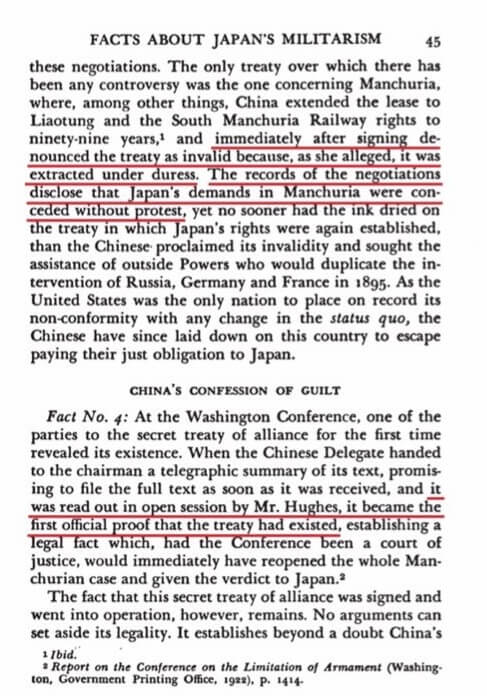
Problematically. on the next year, Yuan Shikai died with illness 6th June in 1916. And the man of a hope for new China, Sun Yat-sen also died on 12th March in 1925. China has got into chaos. Emerging new Han Chinese leaders violated the treaties Japan had with Qing, and Manchuria was in trouble, which is referred to as Manchuria and Monglia disorder state problem 満蒙問題 .
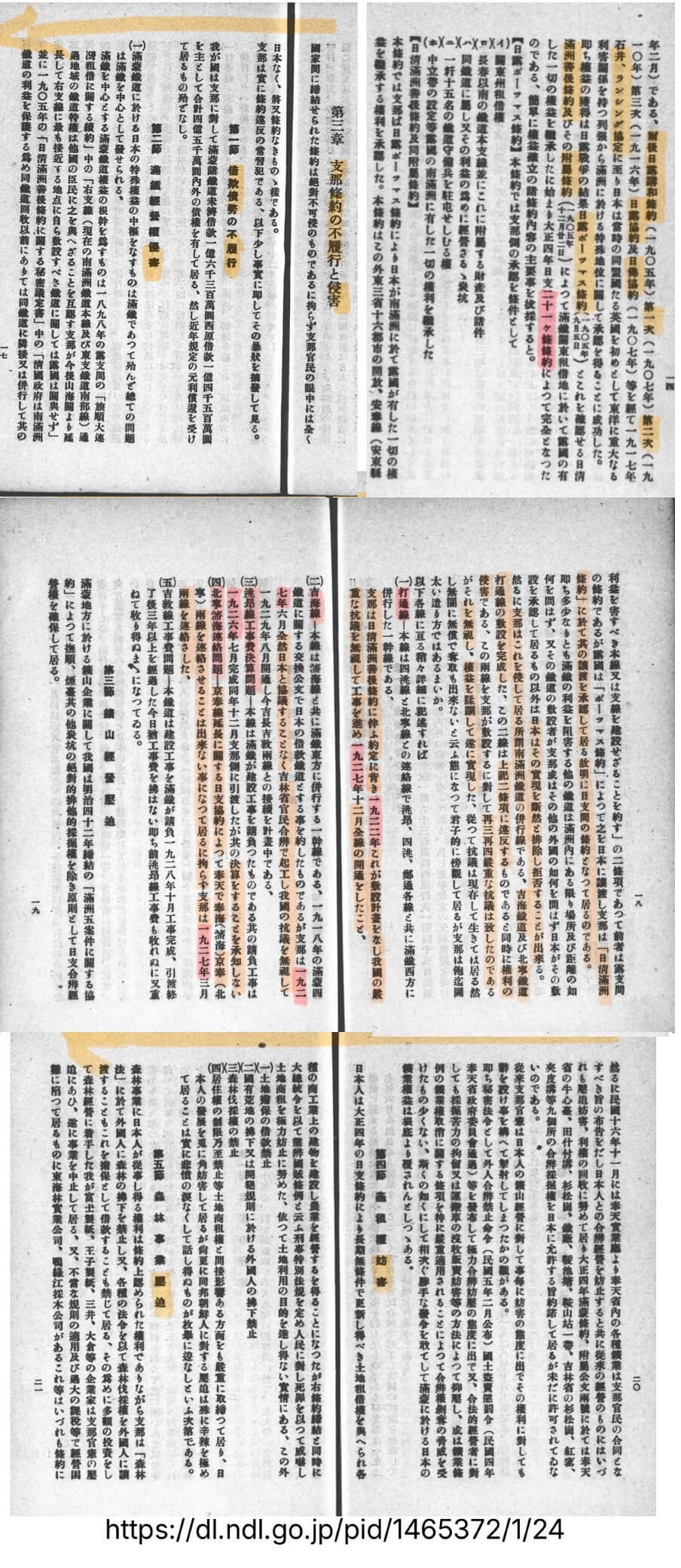
(Below) Japanese document listing the violations of 21 demand about Manchuria by Han Chinese warlords after Yuan's death.
Chapter III: Breach and Violation of the China Treaty
Section 1: Failure to Fulfill Loan Obligations
Section 2: Infringement of South Manchuria Railway Management Rights
Section 3: Oppressive Mine Management Practices
Section 4: Interference with Commercial Lease Rights
Section 5: Oppression in Forestry Operations
See more detail with English translation
¶ 1931 Mukden Incident (満州事変) and the birth of Manchoukuo (満洲国建国)
After Xinhai revolution, the biggest victim by outlawed Han Chinese warlords were Manchus and Japanese. It is reasonable for them to team up with each other and set the things right in Manchuria as they did!
¶ Nakamura Captain Incident (中村大尉事件)
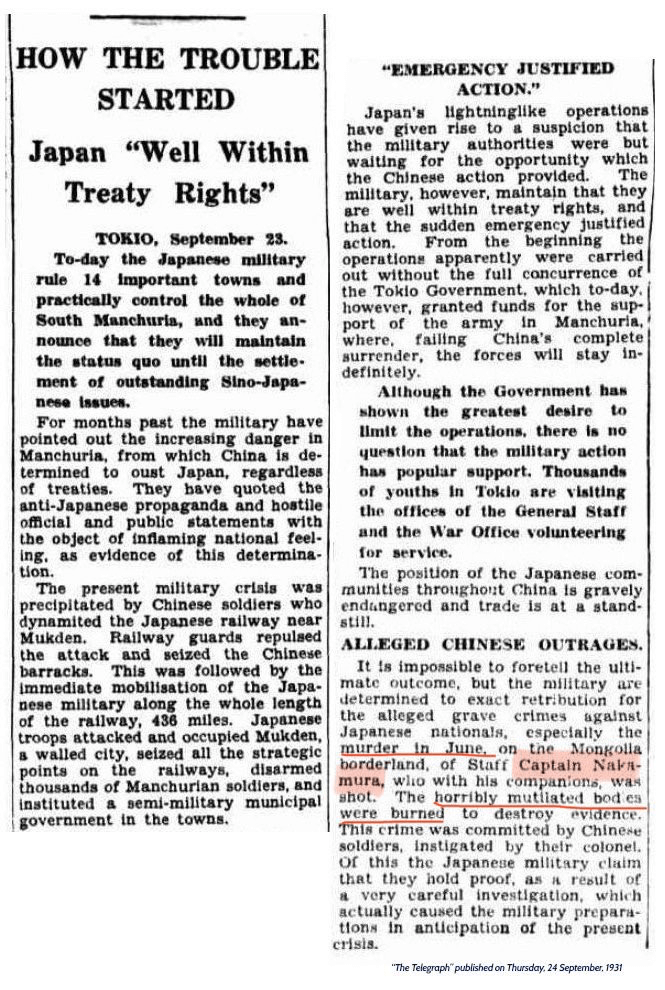
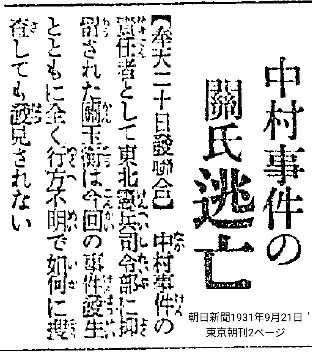
In 1931 on August Two Japanese military officers, Shintaro Nakamura (中村 震太郎) and Nobutaro Isugi (井杉延太郎), Mongolian, and Belarusian were killed by Han Chinese at Manchuria side of area. Han Chinese Republic of China lied, made excuses, and refused to hand over the culprit Kuan Yuheng (關玉衡) who escaped later. Japanese side was furious, at any moment the battle could have started. Japan had a justifiable cause of attack.
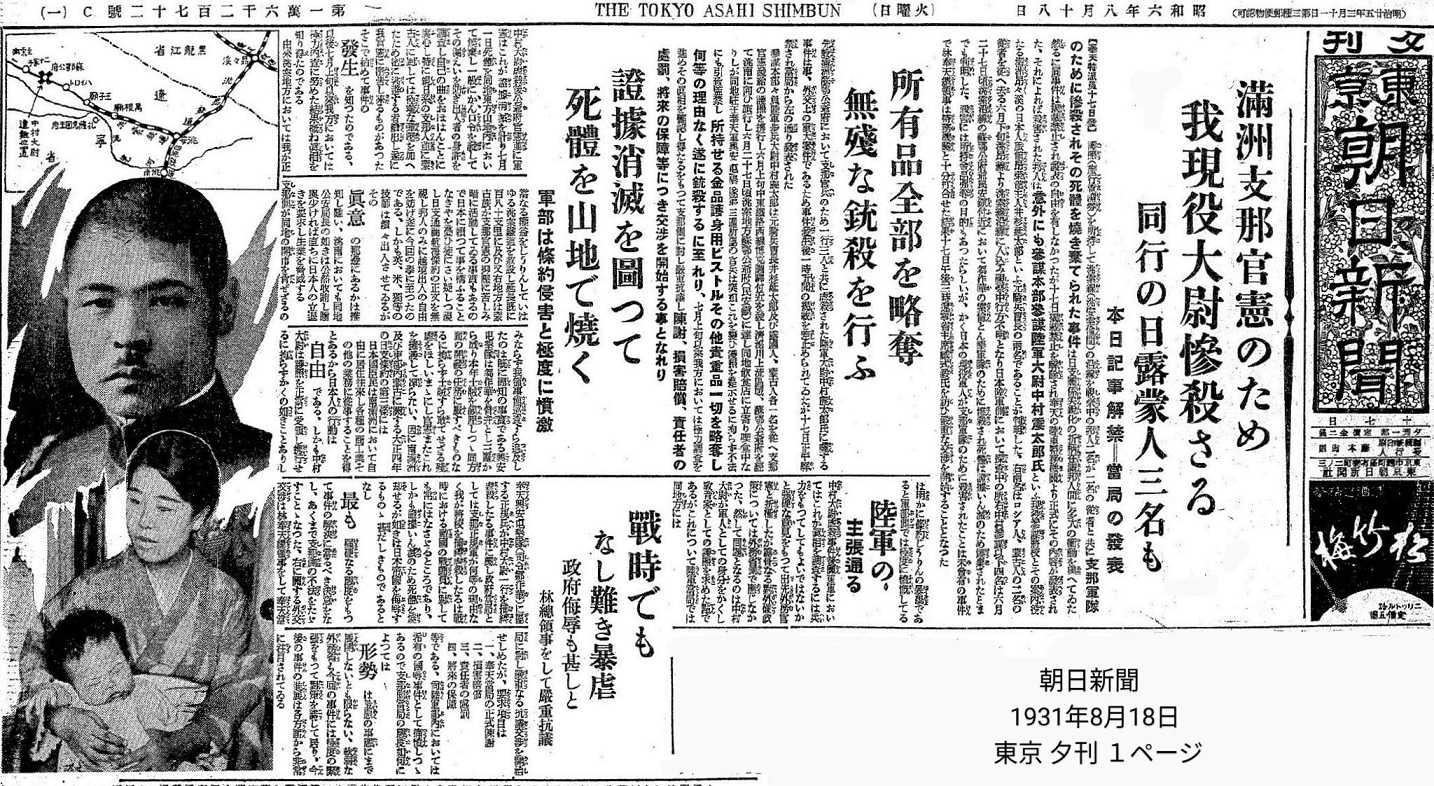
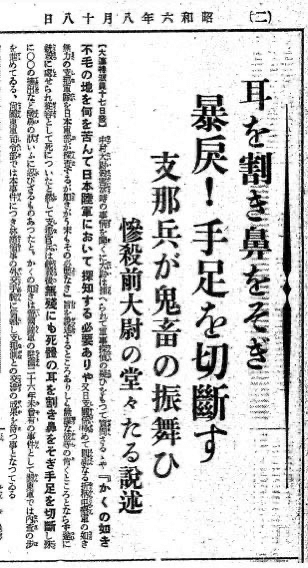
1931年8月18日 朝日新聞 東京 夕刊1ページ 耳を割き鼻をそぎ、暴戻(ぼうれい)!手足を切断す 支那兵が鬼畜の振る舞い 惨殺前大尉の堂々たる説述 (大連特派員十七日発) 中村大尉殺害当時の事情を聞くに、大尉は捕らえられて、軍事探偵の疑いをもってさるるや、「かくの如き不毛の地を何を苦しんで日本陸軍において探知する必要ありや。また日支関係極めて円満なる折柄、中華軍の如き無力の支那軍隊を日本軍部が探査するが如きがその必要なき」旨を説述するところありしも、無謀な彼等の背くところとならず遂に銃殺に処せられ従容として市についたと然るして、支那官兵は銃殺後、無残にも死体の耳を割き、鼻をそぎ、手足を切断し、殊に〇〇の摘出など、状(さま)いうに忍びざるものあったと、かくの如きは帝国陸軍の二十六年未曾有の事件として、関東軍では内査の歩をすすめている。関東軍司令部では、本事件につき、林総領事の外交手腕に信頼し、支那側との交渉の成果を待つ事となっている。 [English Translation] August 18, 1931 Asahi Shimbun Tokyo Evening Edition, Page 1 Ears slit, noses sliced off—barbaric! Limbs severed! Chinese soldiers behave like beasts. The late Captain's dignified account before his brutal murder (Dalian Special Correspondent, 17th) Upon hearing the circumstances surrounding Captain Nakamura's murder, it was revealed that after his capture and suspicion as a military spy, he stated: "Why should the Japanese Army bother to conduct reconnaissance in such a barren land? Moreover, at a time when Sino-Japanese relations are exceptionally harmonious, it is unnecessary for the Japanese military to investigate a powerless Chinese army like the Chinese forces." However, his words fell on deaf ears, and he was ultimately executed by firing squad. He met his end with composure. After the execution, the Chinese officers and soldiers committed unspeakable atrocities: they cut off the ears of the corpse, sliced off his nose, severed his limbs, and notably extracted his *****—acts too horrific to describe. This incident, unprecedented in the Imperial Army's twenty-six-year history, is now under internal investigation by the Kwantung Army. The Kwantung Army Headquarters, trusting in Consul General Hayashi's diplomatic skills, is awaiting the outcome of negotiations with the Chinese side regarding this matter. |
|
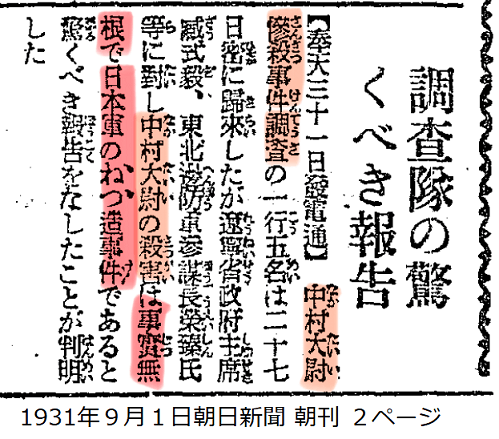
1931年9月1日朝日新聞 朝刊 2ページ 調査隊の驚くべき報告 中村大尉惨殺事件調査の一行、五名は二十七日密かに帰来したが、遼寧省政府主席、威式毅等に対し、中村大尉の殺害は、事実無根で日本軍のねつ造事件であると、驚くべき報告をなしたことが判明した。 September 1, 1931 Asahi Shimbun Morning Edition Page 2 Surprising Report from Investigation Team It has been revealed that the five-member team investigating the brutal murder of Lieutenant Nakamura secretly returned on the 27th and made a surprising report to Liaoning Provincial Government Chairman Wei Shiyi and others, stating that the killing of Lieutenant Nakamura was entirely groundless and a fabricated incident by the Japanese army. |
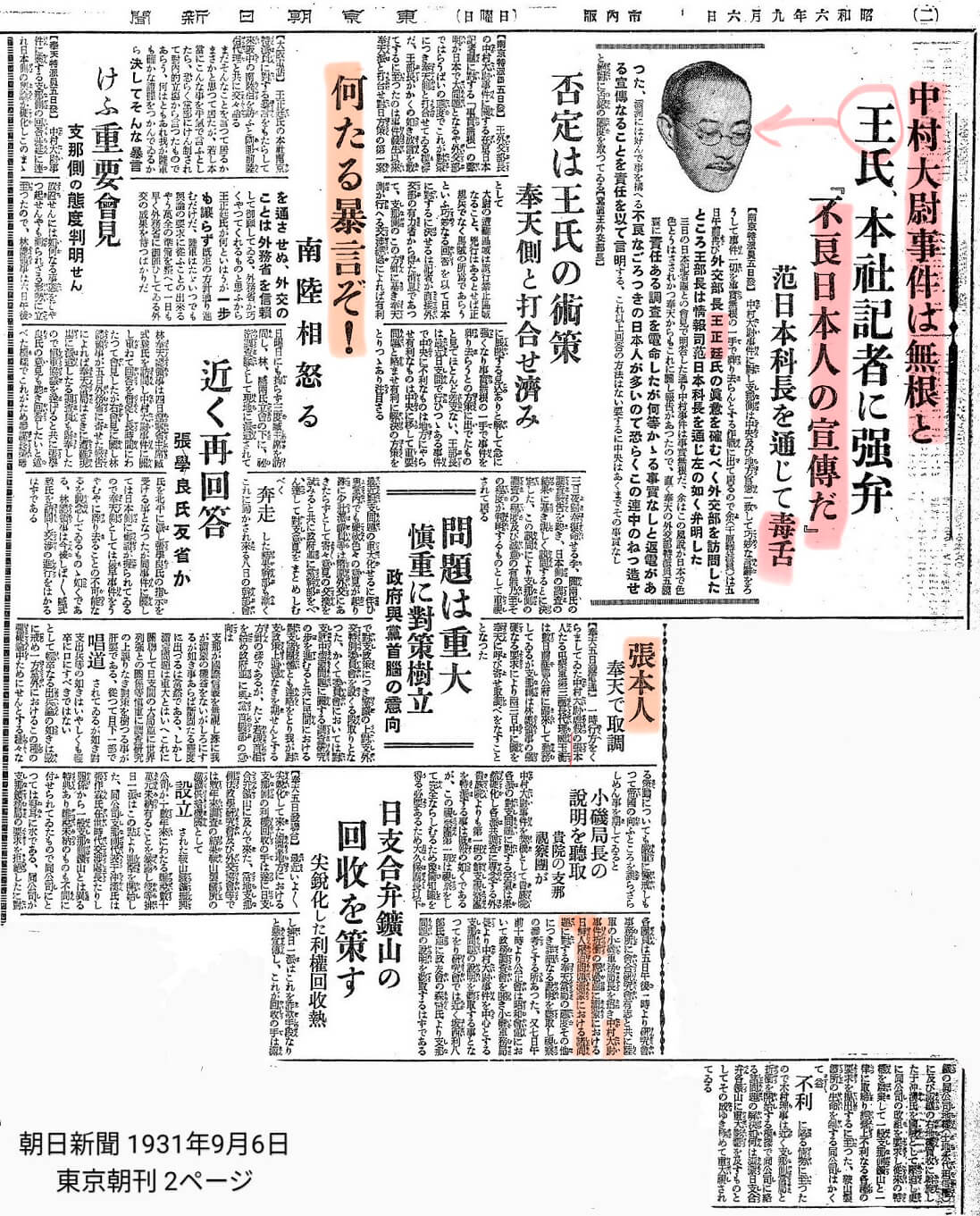
朝日新聞 1931年9月6日 東京 朝刊2ページ Asahi Shimbun, September 6, 1931 Tokyo, Morning Edition, Page 2 [Top right] 中村大尉事件は無根と、王氏、本社記者に強弁。「不良日本人の宣伝だ」と毒舌 C.T.Wang(王正延) Republic of China with his face photo, insisted to Asahi newspaper reporter, Captain Nakamura's incident is groundless, Wang . “It's propaganda by bad Japanese,” he said venomously. [Top middle] 何たる暴言ぞ!南 陸相、怒る What an outrageous remark! Minister of the Army Minami(南) is furious. [middle] 張本人 奉天で取調 一時行方をくらましていた中村大尉虐殺の張本人たる屯墾軍 第三団長代理關玉衡は、奉天に呼び寄せ取り調べをなすこととなった。 The Perpetrator Interrogated in Mukden Lieutenant Nakamura, who had temporarily disappeared, was brutally murdered. The perpetrator, Kuan Yuheng, Acting Commander of the Third Regiment Army, was summoned to Mukden for interrogation. [middle bottom] 中村大尉事件と満蒙における日鮮人圧迫問題、満蒙における諸問題について奉天当局の詳細な説明を聴取し視察する Listen to detailed explanations from the Mukden authorities and conduct inspections regarding the Nakamura Lieutenant Incident, the oppression of Japanese and Korean nationals in Manchuria and Mongolia, and various other issues in Manchuria and Mongolia. |
|
1931年9月21日 朝日新聞 東京 朝刊 2ページ 中村事件の關氏逃亡 (奉天二十日発総合) 中村事件の責任者として、東北憲兵司令部に抑留された關玉衡は、今回の事件発生とともに、全く行方不明で、如何に捜査しても発見されない。 September 21, 1931 Asahi Shimbun Tokyo Morning Edition Page 2 Fugitive Kuan in Nakamura Incident (Mukden, 20th) Kuan Yuheng 關玉衡, detained by the Northeast Military Police Headquarters as the person responsible for the Nakamura Incident, has been completely missing since the incident occurred and remains undiscovered despite all efforts to locate him. |
¶ Mukden/Manchurian Incident and the build of a rebrand nation Manchoukuo
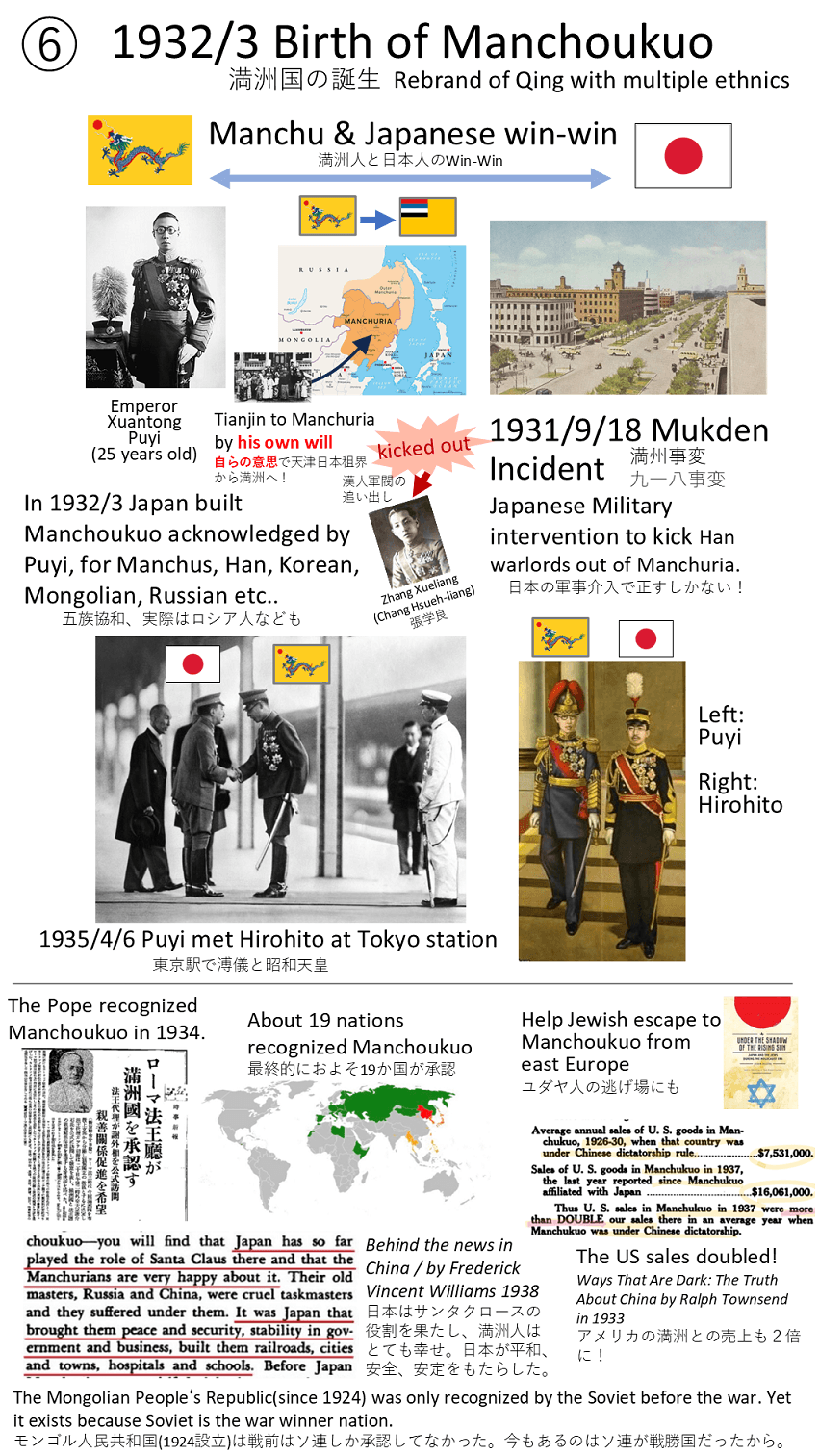
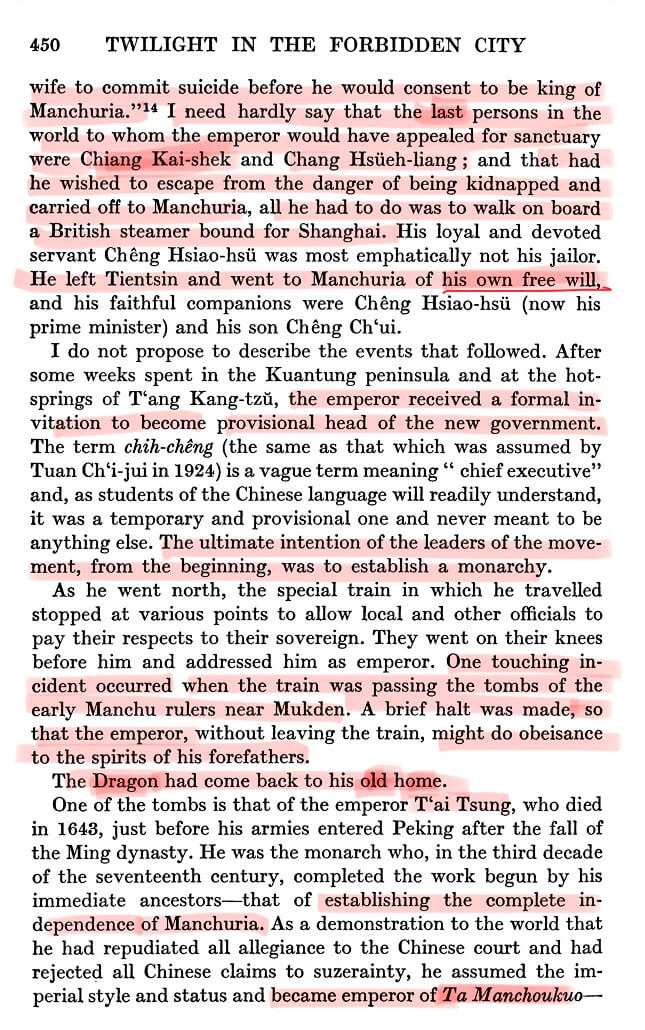
In 1931 on 27 June, Japanese officers (Nakamura and Isugi) and others were murdered in Manchuria land. Han Chinese called it Japanese hoax and delayed the investigation, which later ended up with the perpetrator escaping. Finally Japan reached a saturation point, these Han Chinese dictators should be out of Manchuria. It is believed that on 18 September in 1931 the Kwantung Army, Japanese military stationed in Manchuria to protect Japanese property, made a false flag small by setting a small bomb on a train, and using it as a pretext, attacked Han Chinese troops (Liutiaohu Incident/9.18 Incident). Then Japan kicked Han Chinese troops out of Manchuria and asked Puyi living in Japanese concession in Tianjin to come back to his ancestor home, Manchuria. He did so in his own will quoted as "The Dragon goes home" (Twilight in the Forbidden City, Reginald Johnston). In 1932 Japan built Manchoukuo , a rebrand of Manchurian nation, Manchuria acknowledged by Puyi who was appointed as a president (執政) and later became an emperor of Manchoukuo in 1934. It makes a sense since Manchuria is a fatherland of Manchus where Japan had a concession leased by Manchus, never belonged to Han Chinese. This is win-win situation for both Manchus and Japanese including other national residents such as Koreans, Han Chinese, and Russian in Manchuria. There shouldn't be any interference from Han Chinese warlords and Powers especially from the US. But League of Nations investigation team, including Lord Lytton, refused to recognize Manchukuo and concluded Japanese invaded Manchuria even when Puyi himself told them Puyi was invited and he was happy there. On March 27 in 1933 Japan officially withdrew from the League of Nations. But later Manchoukuo was recognized by 19 foreign nations except the US/British.
¶ Liutiaohu Incident (柳条湖事件)
Liutiaohu Incident/Mukden Incident/9.18 Incident referrers to the bomb on railroad, which triggered the battle between Japan and Chinese military. It is "believed" that the small bomb on train was a false flag, made by Japanese to initiate attack. I say “believed” because those responsible for this plot, Kanji Ishihara 石原莞爾(died with sickness) and Seishiro Itagaki 板垣征四郎(executed at Tokyo trial) were already dead when this theory comes out after WW2, the only sources are from surrounding testimonies and documents written by others. But even if it is true, Japanese side had a full right to take a military action against the unlawful behaviors of Chinese side such as Nakamura captain murderer case and the violation of 21 demands about treatment of a concession in Manchuria and its railroad. It was also the humanitarian act saving civilians such as the Koreans and Manchus oppressed and massacred by Han Chinese warlords.
The most important thing is “Who is the legitimate owner of Manchuria at that point in 1931 ?” after Yuan Shikai passed away and Manchu's abdication treaty was violated by Han Chinese . The answer is Manchus, who leased Manchuria to Japanese.
¶ The birth of Manchoukuo in 1932
Finally, after Japanese military intervention in Manchuria in 1931 above, Japan invited Qing emperor Puyi who escaped to Japanese concession in Tianjin from Forbidden city to come back to Manchu's ancestral home, Manchuria. he could have refused, but he did so by his own will. Japan and Manchus built Manchoukuo acknowledged by Puyi. This is Manchu-Japanese Win-Win situation within Manchu's land, no one else such as Han Chinese Chiang kai-shek, League of Nations or the US to interfere with.
See also Manchoukuo: A rebrand nation of Qing dynasty
Manchuria had faced a threat from Soviet and a civil war in China. It was Japanese who secured Manchuria for Manchus and other multiple nationals/ethnics (Japanese, Han Chinese, Korean, Morelian, Russian, Jewish and so on).
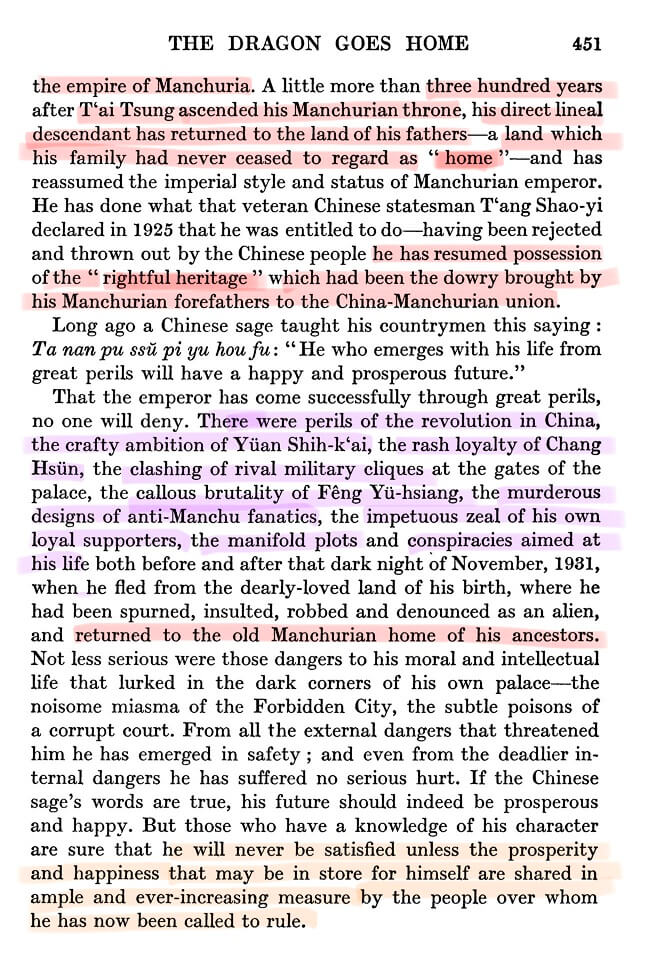
Below, interesting to know that even Chinese in 1919 was thinking placing Emperor as only a figure head, with not much power to politics, and establish a law much like Japanese would do for Puyi in Manchoukuo.
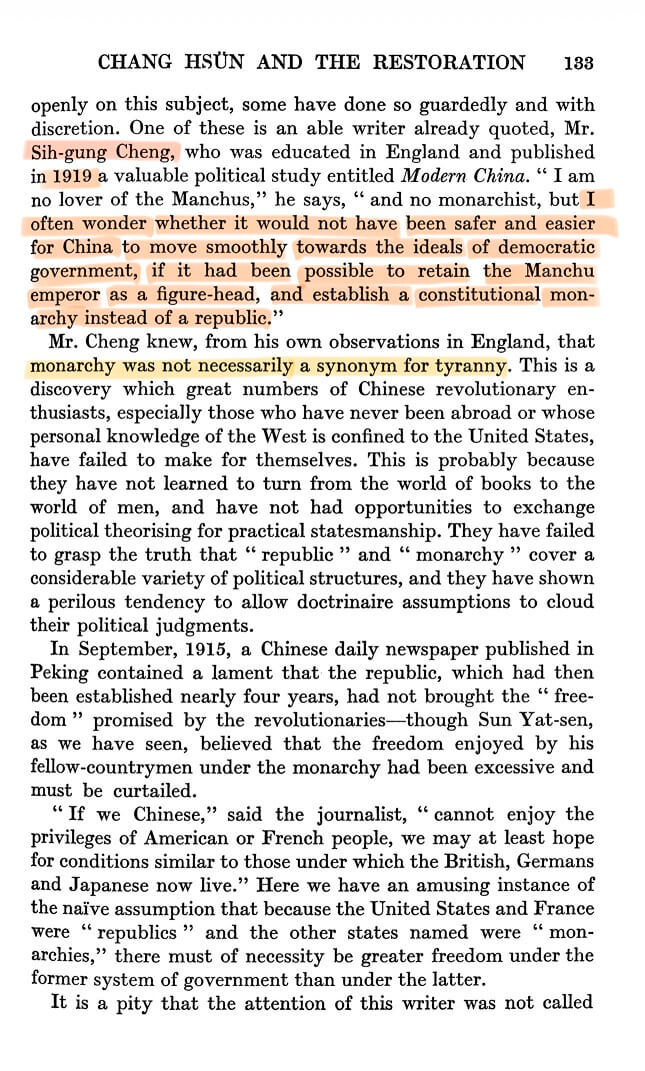
¶ The US criticism about Manchoukuo
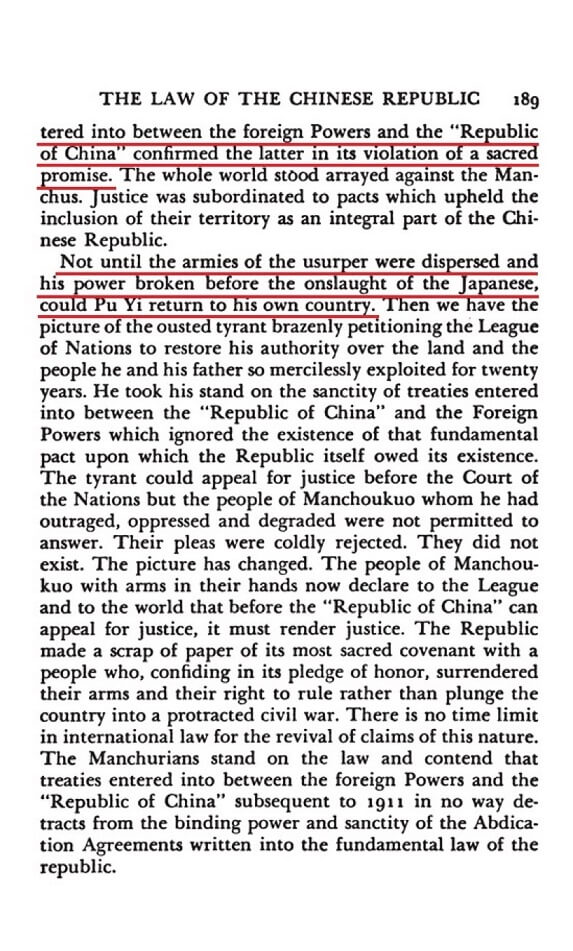
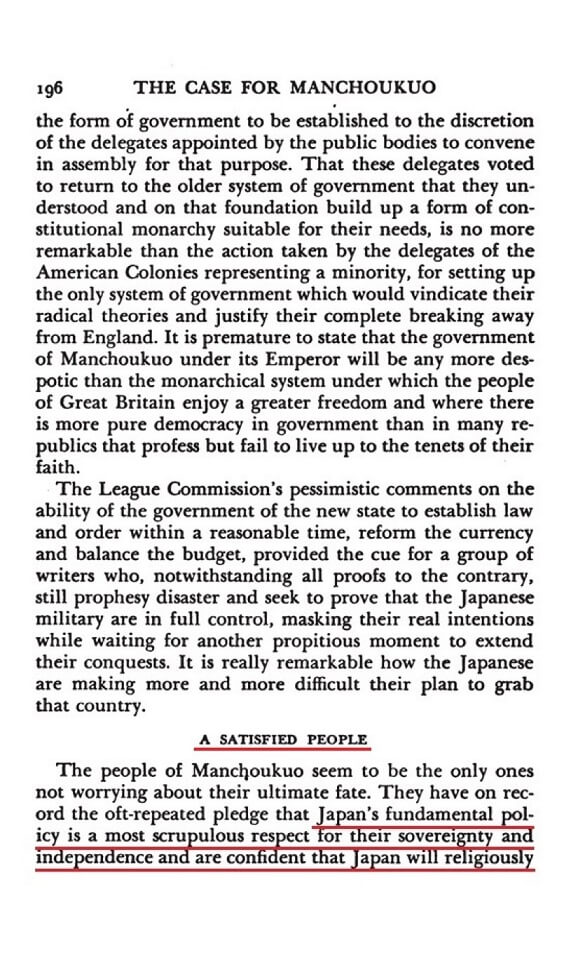
The US Simson brought up Nine power treaty, and called what Japan did is “the invasion of Manchuria.” But this is very wrong. “Whose land did Japan invade?” since Manchuria had been the land of Manchus. The only claim Han Chinese had for Manchuria is based on Abdication Treaty, which was violated by Han Chinese own hands who kicked out Puyi out of Forbidden city and vandalized Empress Cixi tomb.
https://history.state.gov/milestones/1921-1936/mukden-incident
Puyi is not Chinese, it was his decision. He could have stayed in Tianjin and refused Japanese proposal about Manchoukuo. He didn't. Why does the US interfere with foreign matter, become disrespectful to Manchus and call him Japanese puppet, and try to take his legitimate right of Manchuria?
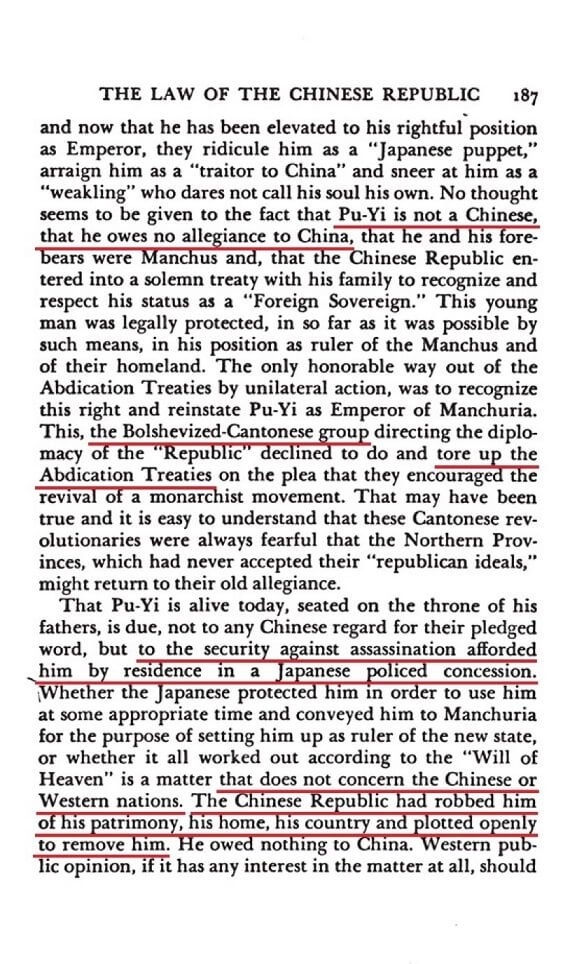
|
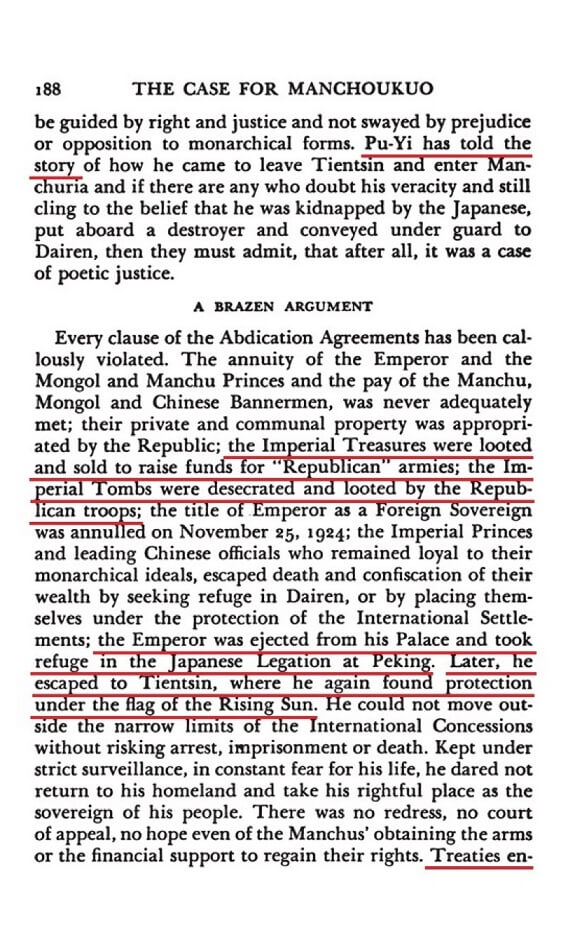
|
|
|
¶ Foreign Recognition of Manchoukuo
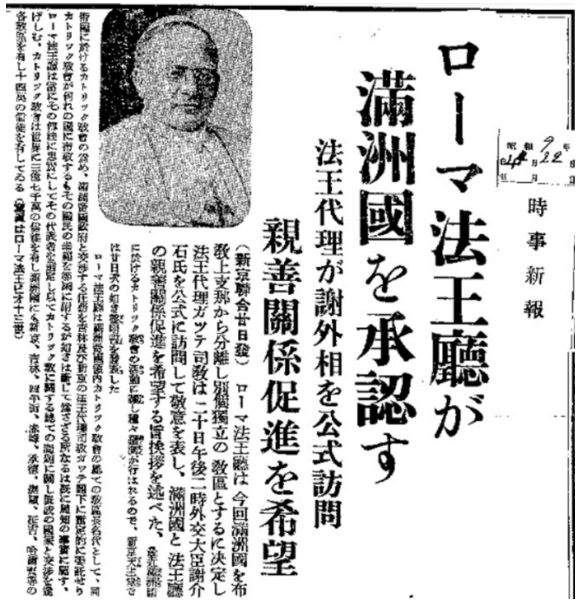
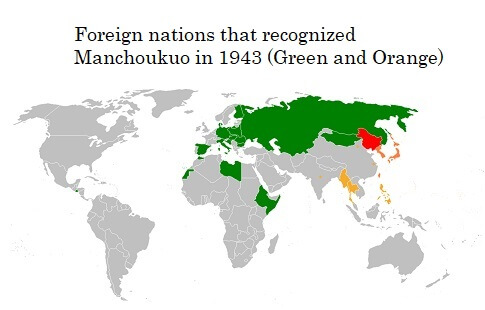
Manchoukuo was recognized by the maximum up to 19 nations while Mongolia was recognized only Soviet alone until WW2. Yet Mongolia has stayed as a nation because Soviet is among war winner nations who built the world order.
¶ Hypocritical US destroyed Manchoukuo and gave it to “Stalin”
This is related to WW2, and the second disaster FDR made on his policy in Asia, Yalta meeting.
FDR had a chance to end a war against Japan after learning about Japanese attempt for a peace talk. Yet, he refused fixated the idea of unconditional surrender even though HE started this war. Instead he foolishly asked Stalin to break a treaty with Japan and join a war by giving him Manchuria at Yalta making it a communist land. This is simply the invasion of Manchuria by the US and contradictory to Cairo Declaration promising to give Manchuria to Han Chinese, Chiang kai-shek.
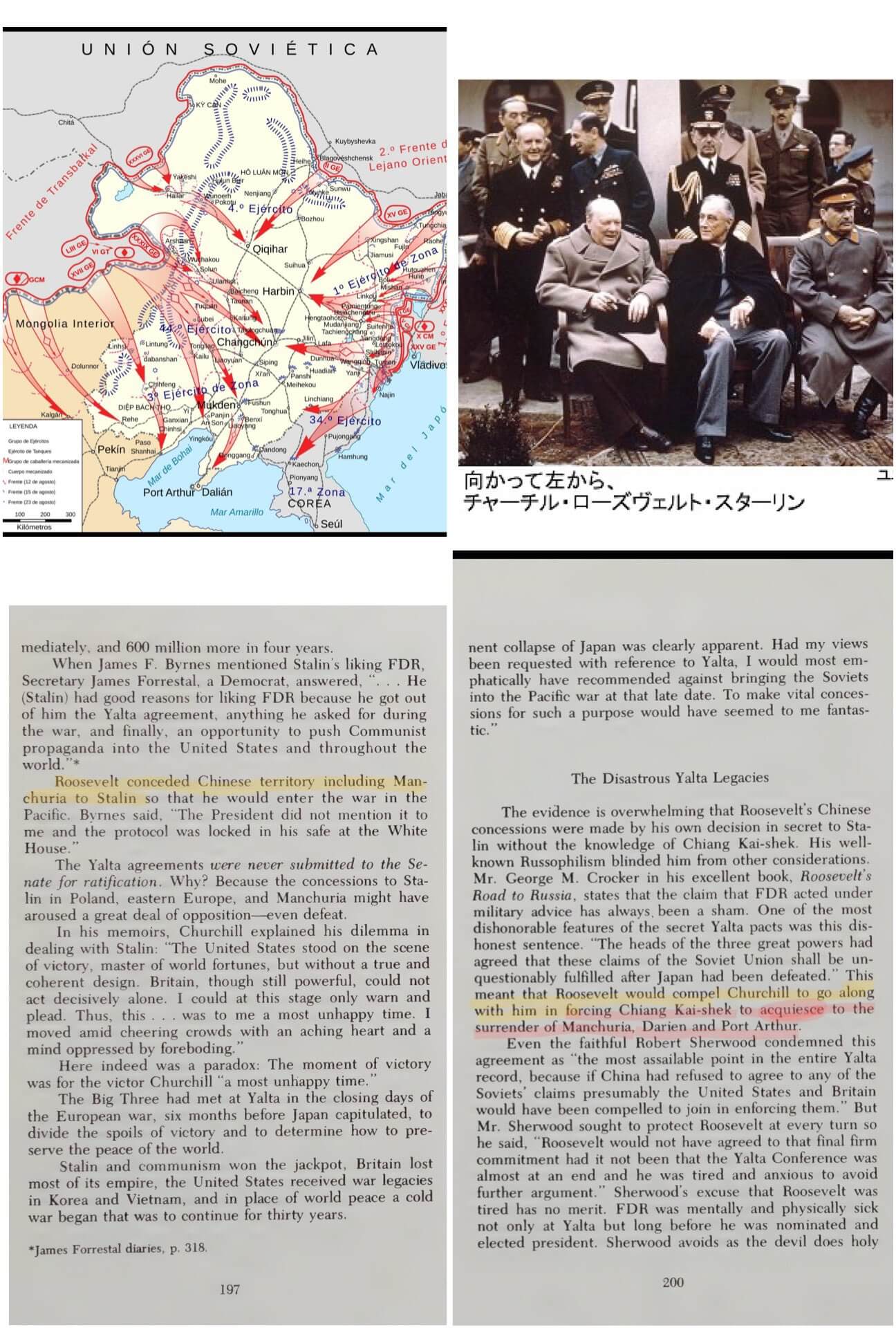
(Below) Ralph Townsend criticizes this US hypocrisy.