Indonesia was colonized by Dutch.
Japan fought for the independence of Indonesia twice.
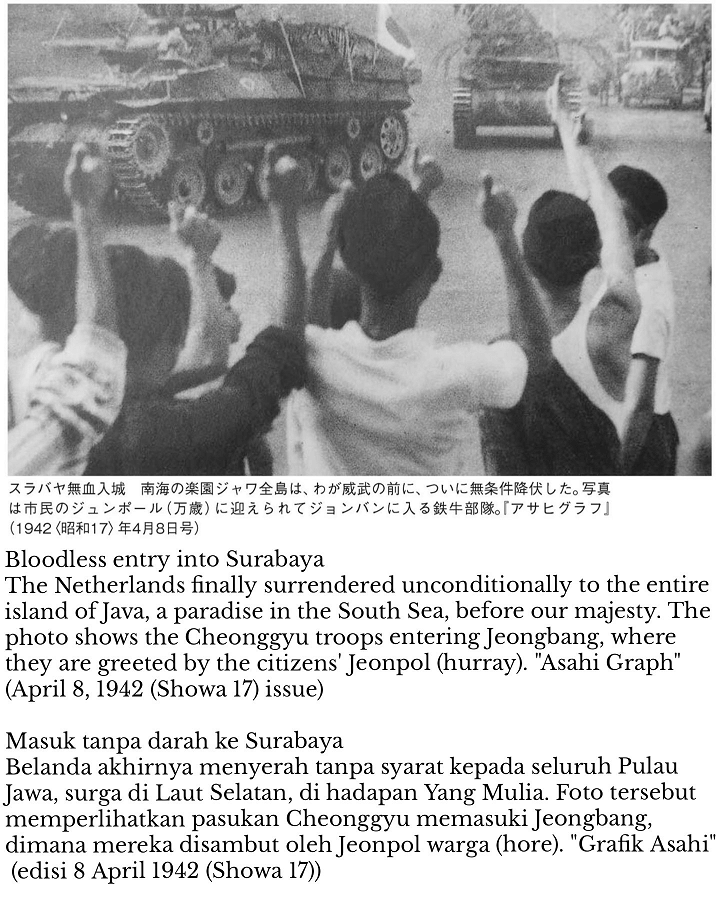
First one is during WW2, Japan liberated Indonesia from Dutch rule, and Japanese Koiso administration acknowledged the independence of Indonesia first in the world to Sukarno.
(Movie) Japanese Koiso administration acknowledged the the independence of future Indonesia
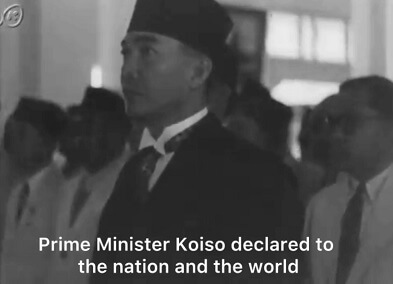
Second one is after WW2, Japan surrendered to Allie Forces and had to follow Dutch's order. Now Japan who fought against Dutch was told to attack Indonesians fighting for their independence after a war. Yet some 2000 Japanese soldiers unofficially took a side of Indonesians and fought for their independence.
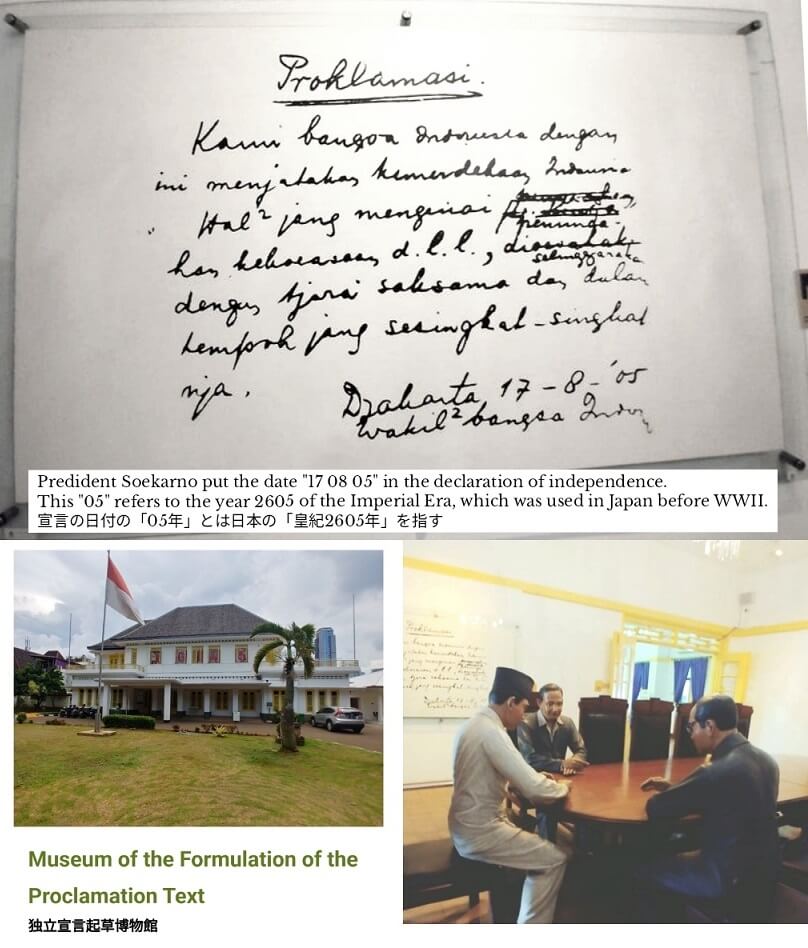
From Japanese documentary films
Source: English sub was added and movie clips
(Movie) Indonesian people marching thanking Japan!
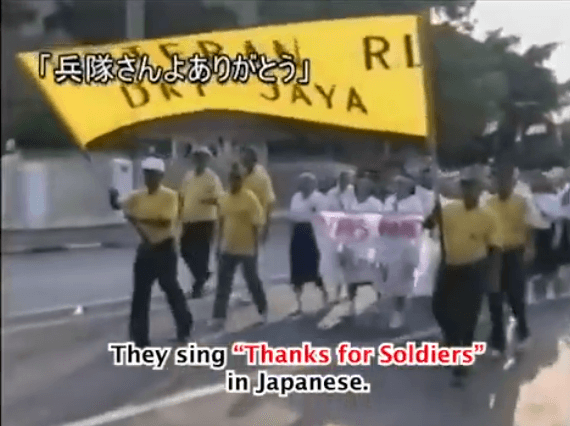
(Movie) PETA Indonesian people fought with Japanese spirit!
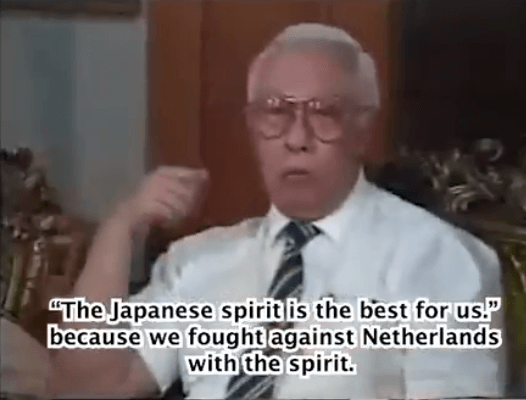
(Movie) Indonesian people at WW2
(Movie) After WW2, British came back to colonize again.
(Movie) then, Dutch came back to colonize again.
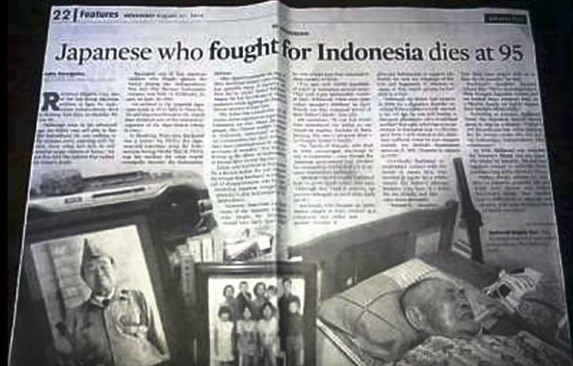
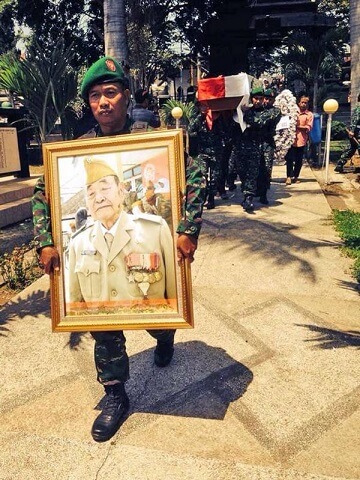
Japanese soldier, Sakari Ono (小野 盛), who fought for the independence of Indonesia.
 |
|
(Movie) Indonesian Independence Song
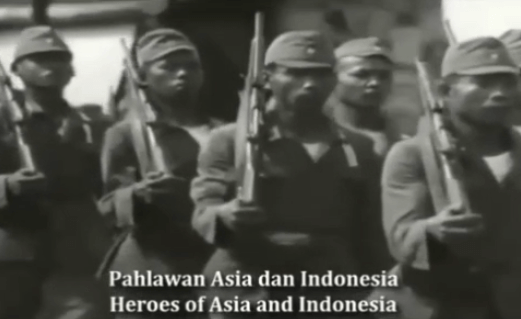
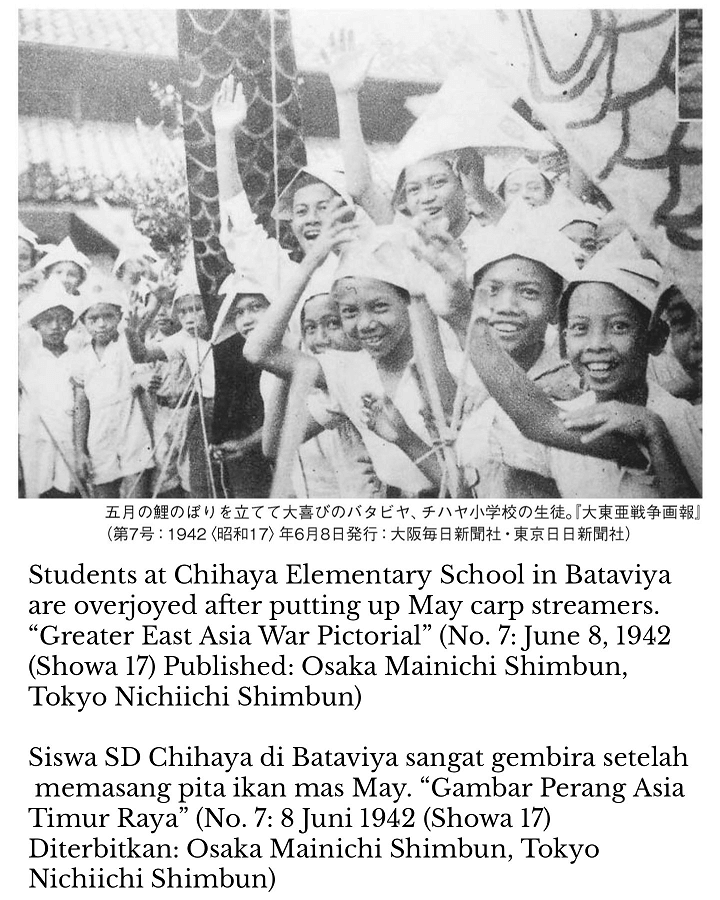
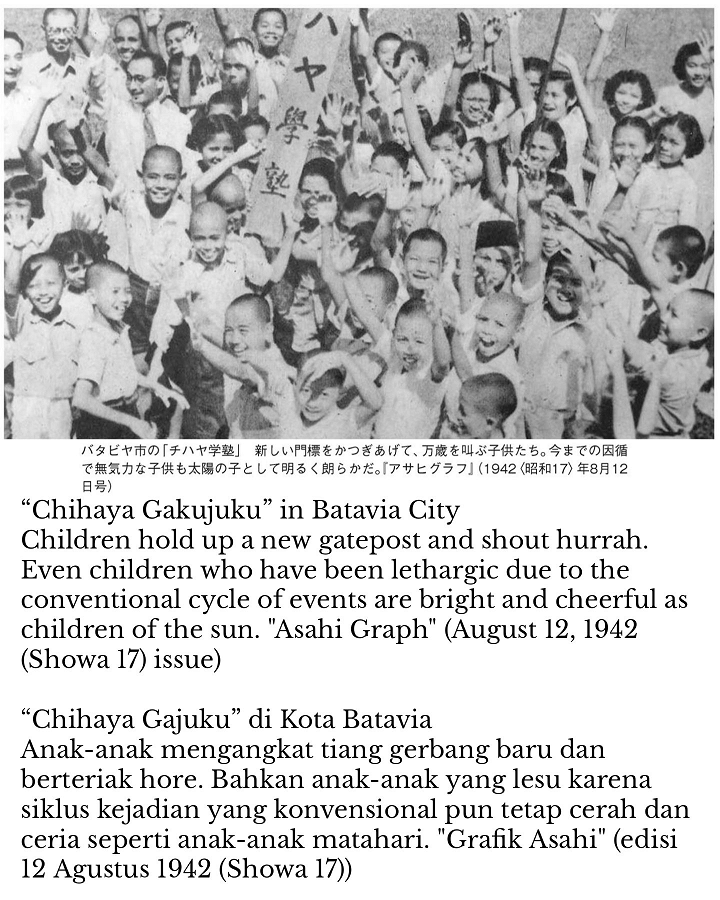
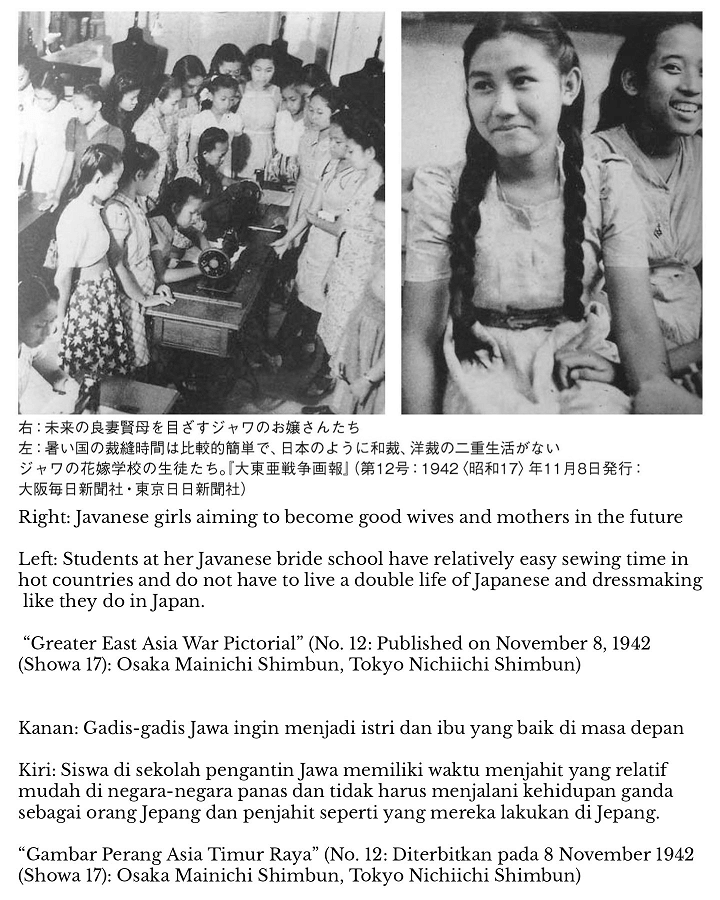
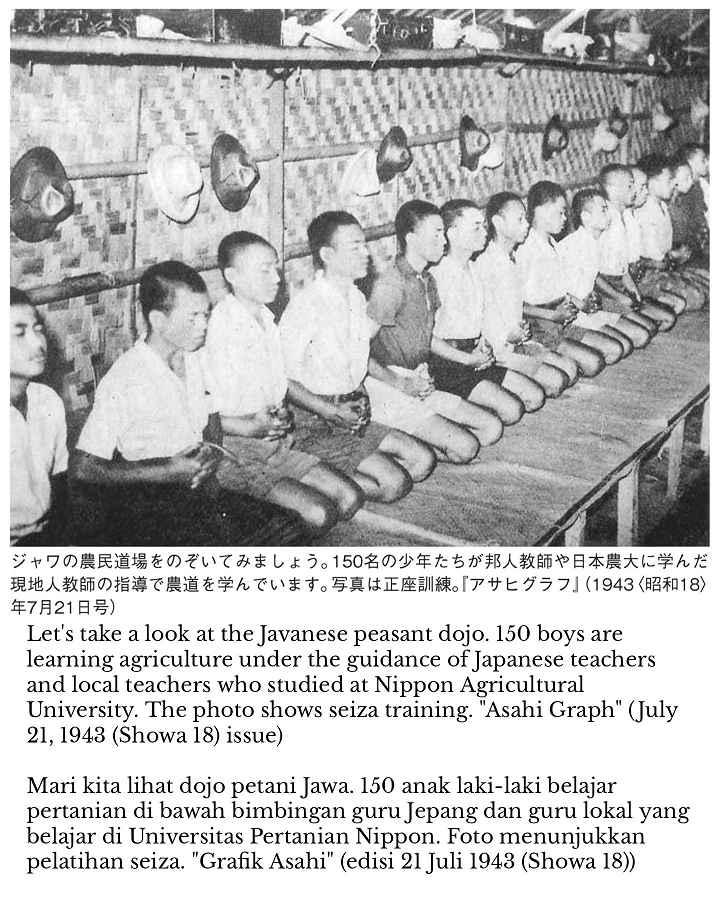
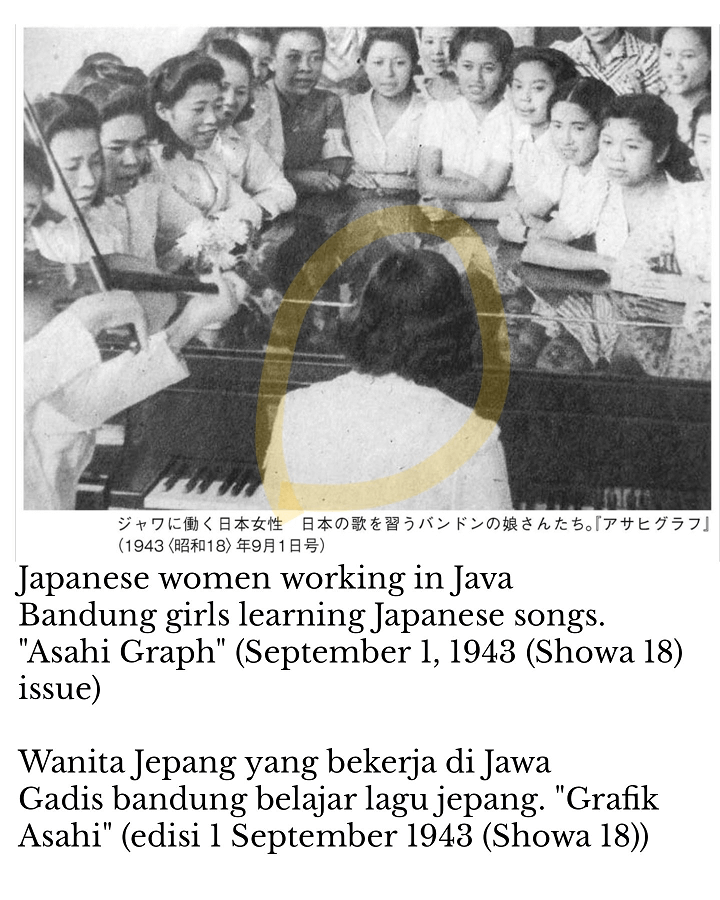
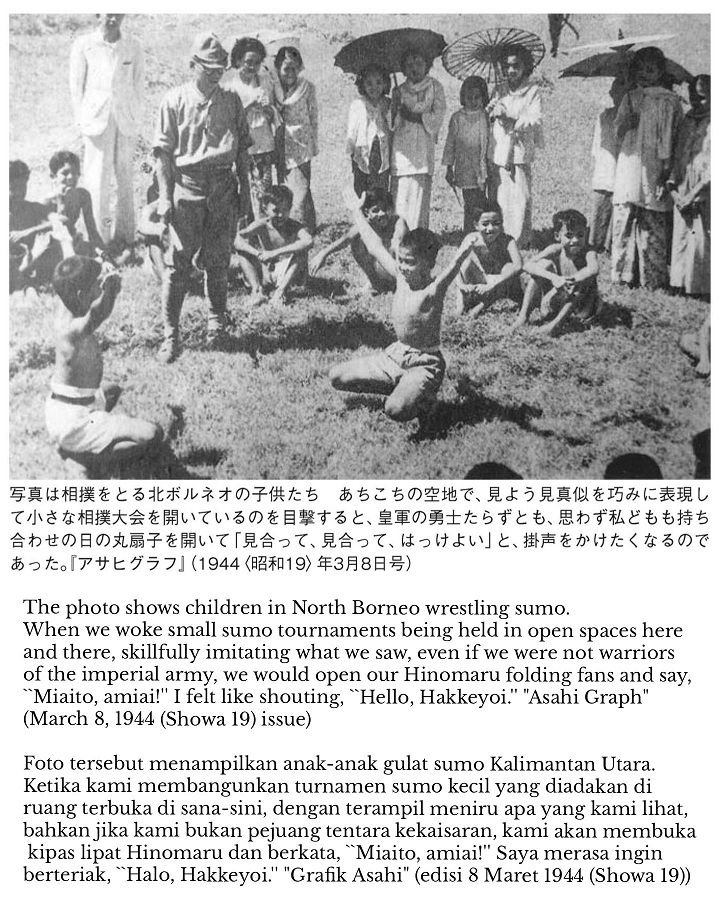
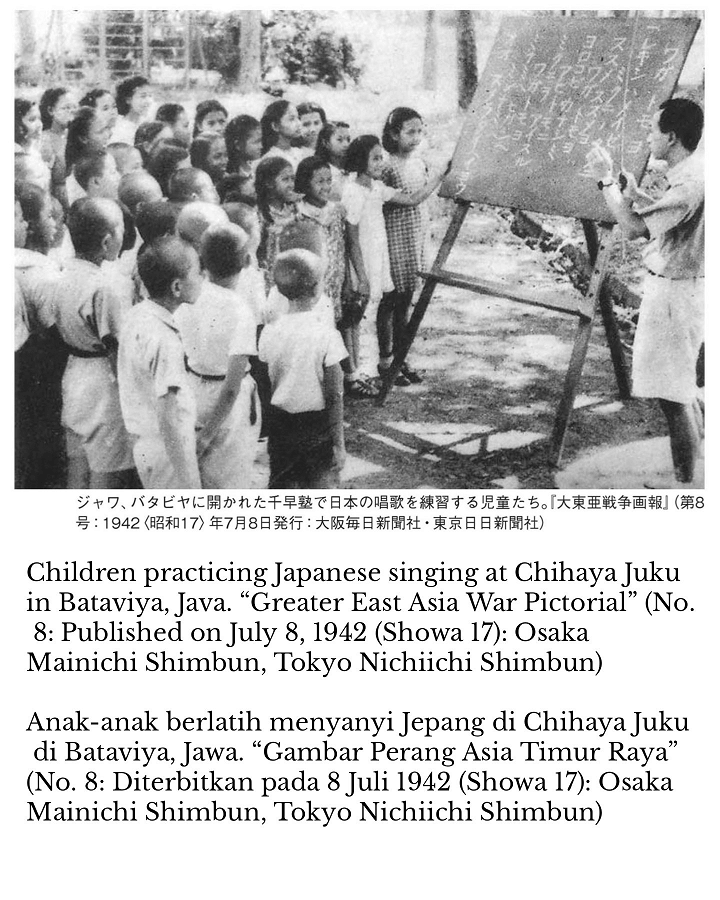
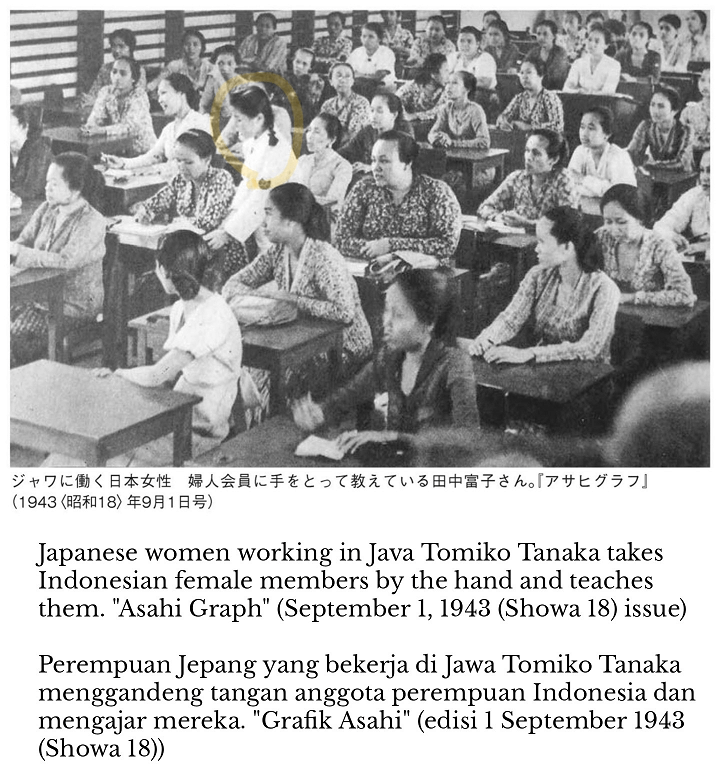
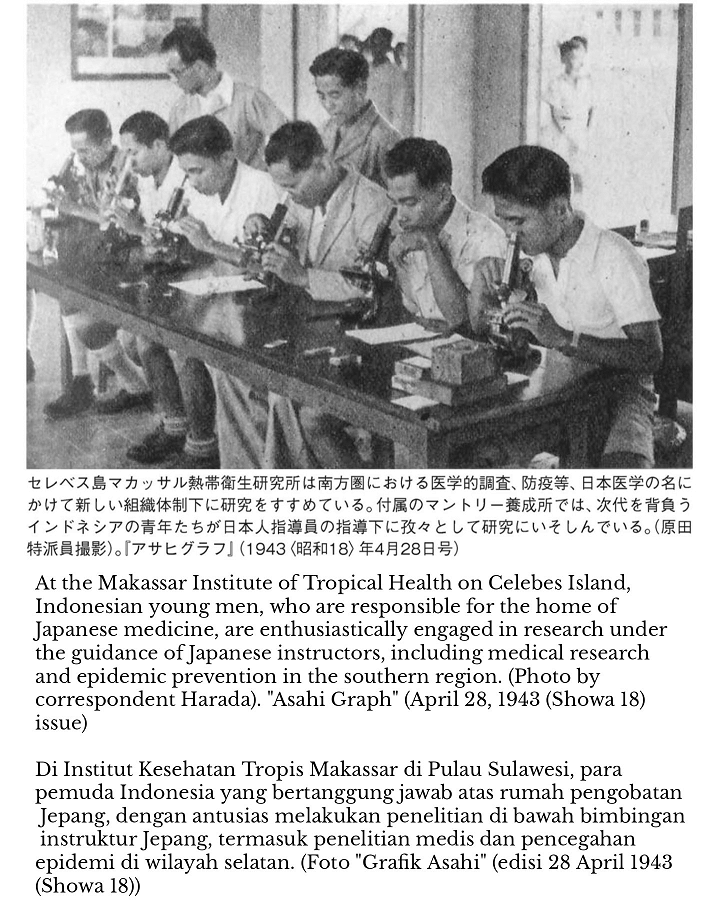
¶ The liberation of Indonesia from Dutch by Japan
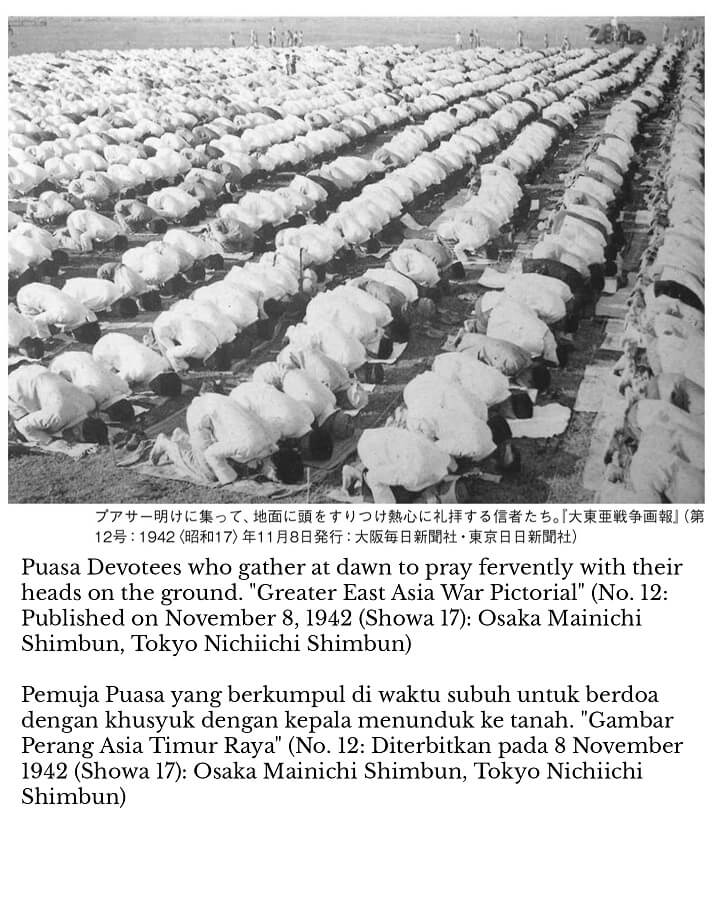
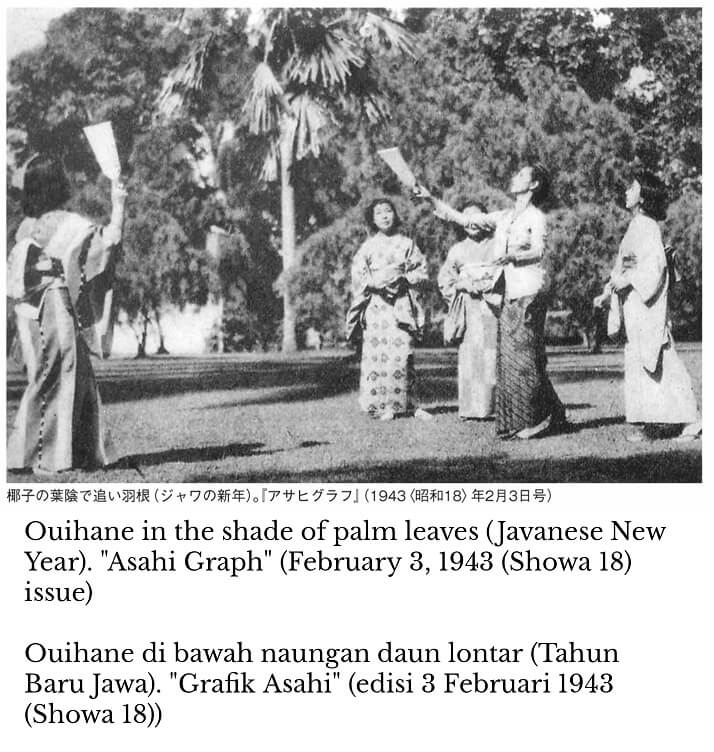
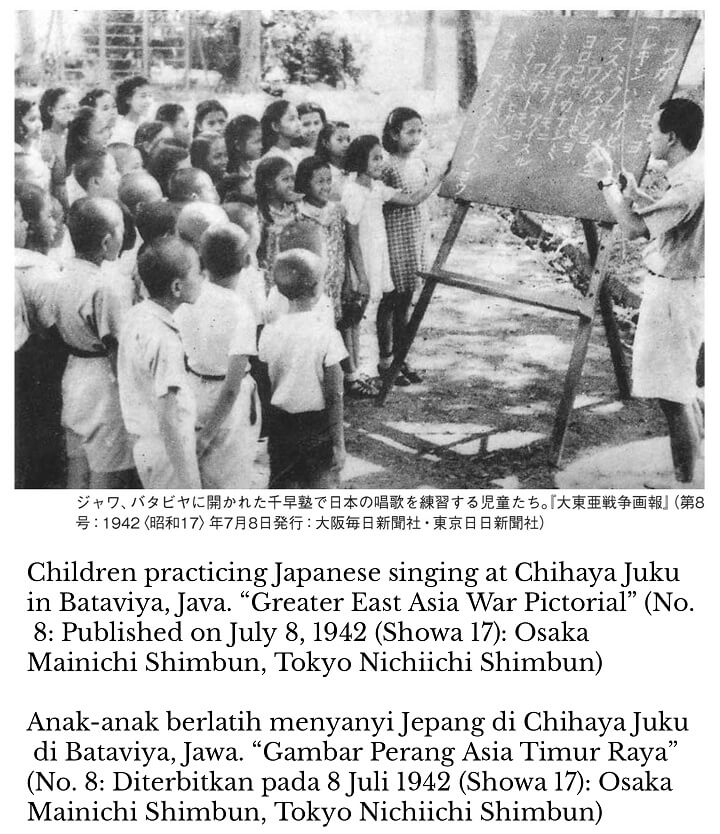
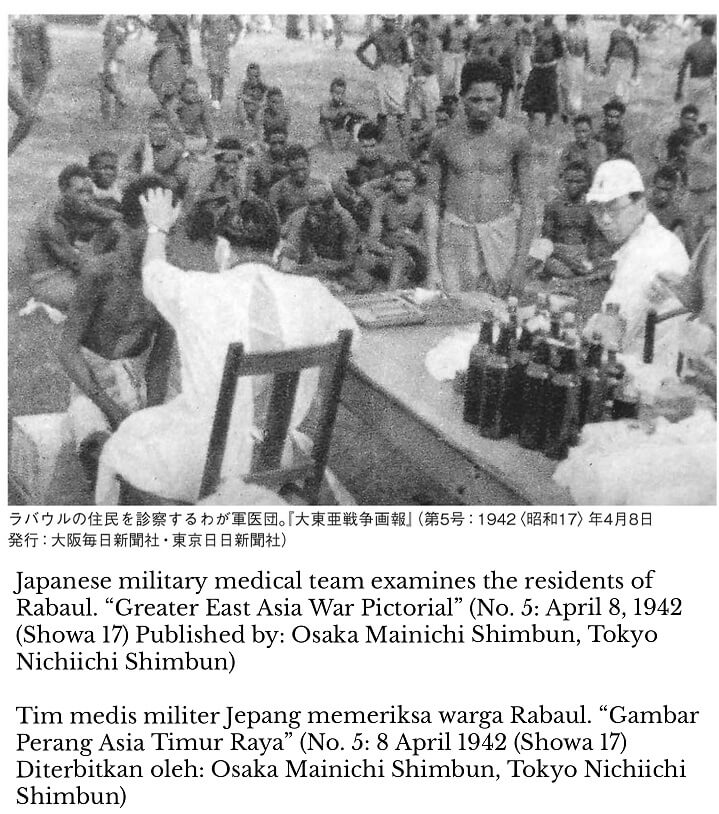
|
Japan built a hospital in South Borneo open to local people. 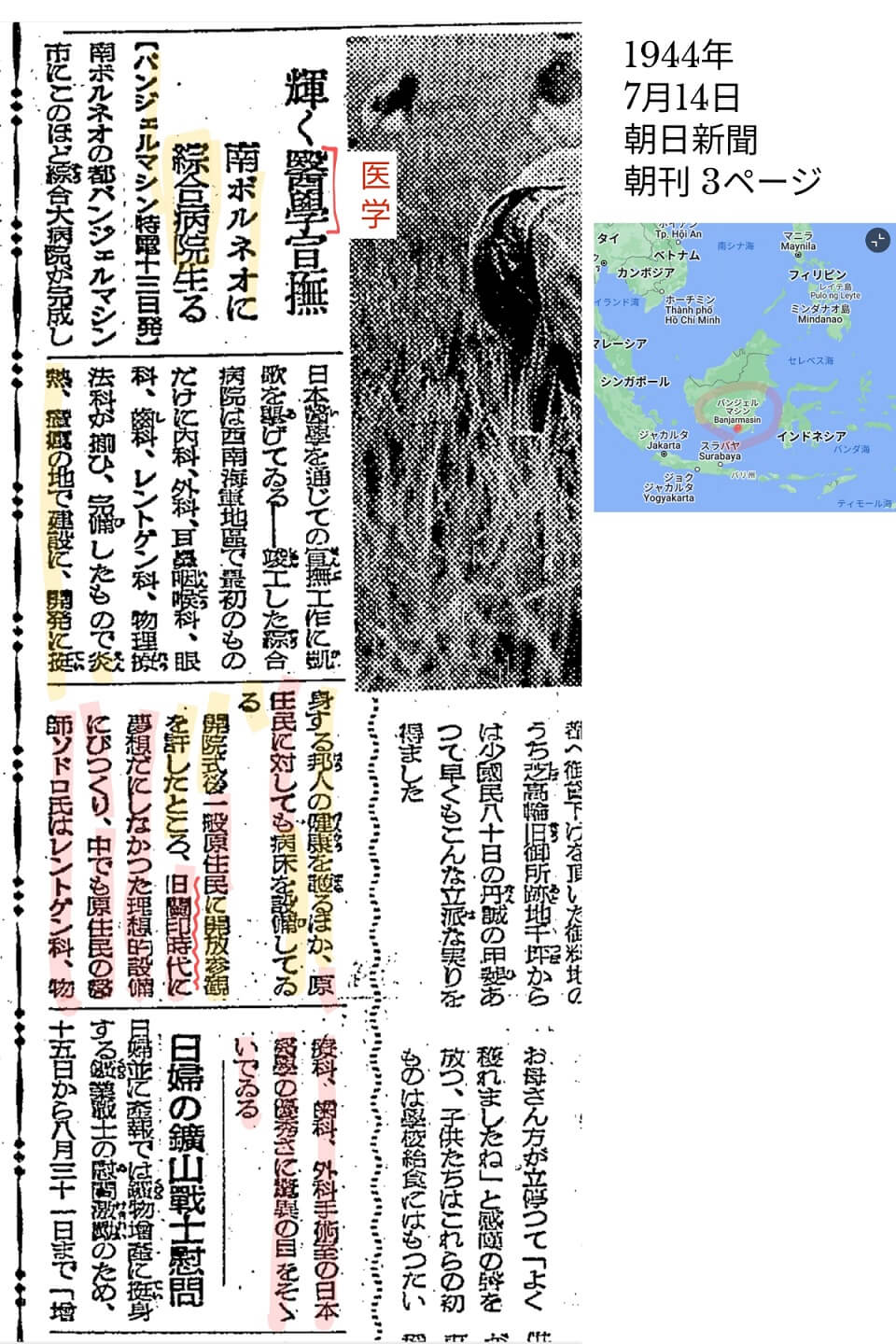
|
|
1944年7月14日朝日新聞朝刊3ページ 輝く医学宣撫 南ボルネオに総合病院 生る 【バンジェルマシン特電十三日発】南ボルネオの都バンジェルマシン市にこのほど総合大病院が完成し、日本医学を通じての宣撫工作に凱歌を挙げている。竣工した総合病院は西南海軍地区で最初のものだけに内科、外科、耳鼻咽喉科、眼科、歯科、レントゲン科、物理医療科が揃い、完備したもので、炎熱、__の地で、建設に、開発に挺身する邦人の健康を守るほか、原住民に対しても病床を設備している。開院式後、一般住民に開放参観を許したところ、旧蘭印時代に夢想だにしなかった理想的設備にびっくり、中でも原住民の医師、ソドロ氏はレントゲン科、物療科、歯科、外科手術等の日本医学の優秀さに脅威の目をそそいでいる。 (English Translation) July 14, 1944, Asahi Shimbun Morning Edition, Page 3 A Shining Example of Medical Pacification A General Hospital Opens in South Borneo [Special Dispatch from Banjarmasin, 13th] A large general hospital has recently been completed in Banjarmasin, the capital of South Borneo, marking a triumph for pacification efforts through Japanese medicine. As the first general hospital in the Southwest Naval District, the newly completed facility is fully equipped with departments of internal medicine, surgery, otolaryngology, ophthalmology, dentistry, radiology, and physical medicine. In this land of scorching heat and ____, it not only safeguards the health of Japanese nationals dedicating themselves to construction and development but also provides hospital beds for the indigenous population. After the opening ceremony, the hospital was opened to the general public for tours. Visitors were astonished by the ideal facilities—something they could never have dreamed of during the former Dutch East Indies era. In particular, Dr. Sodoro, a physician of indigenous descent, gazed in awe at the excellence of Japanese medicine in departments such as radiology, physical therapy, dentistry, and surgical procedures. |
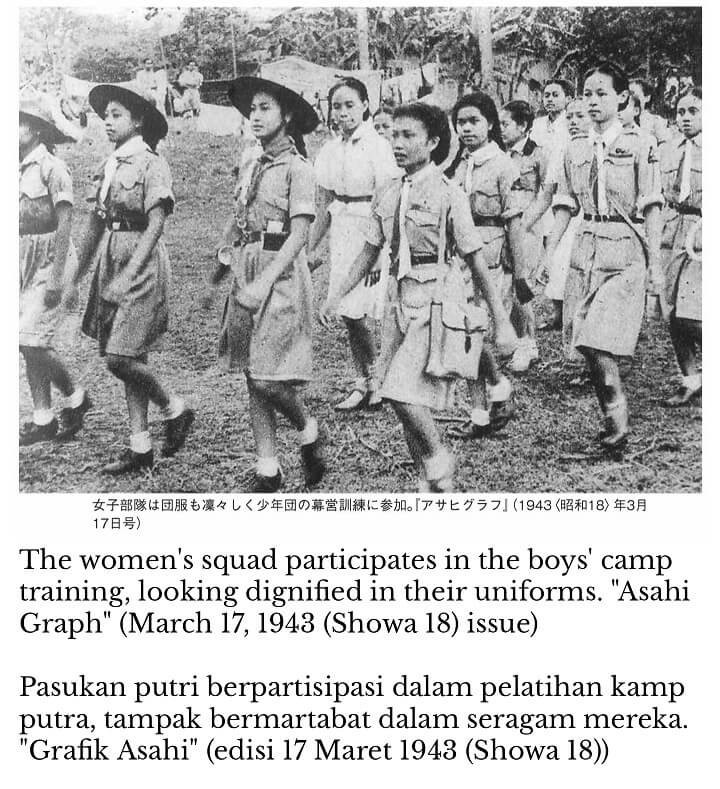
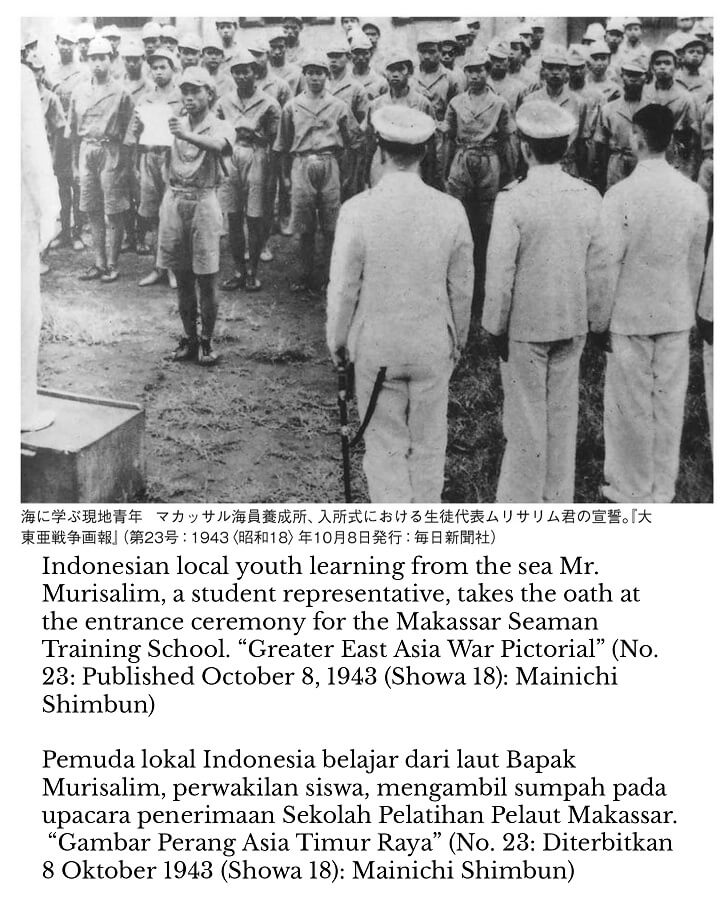
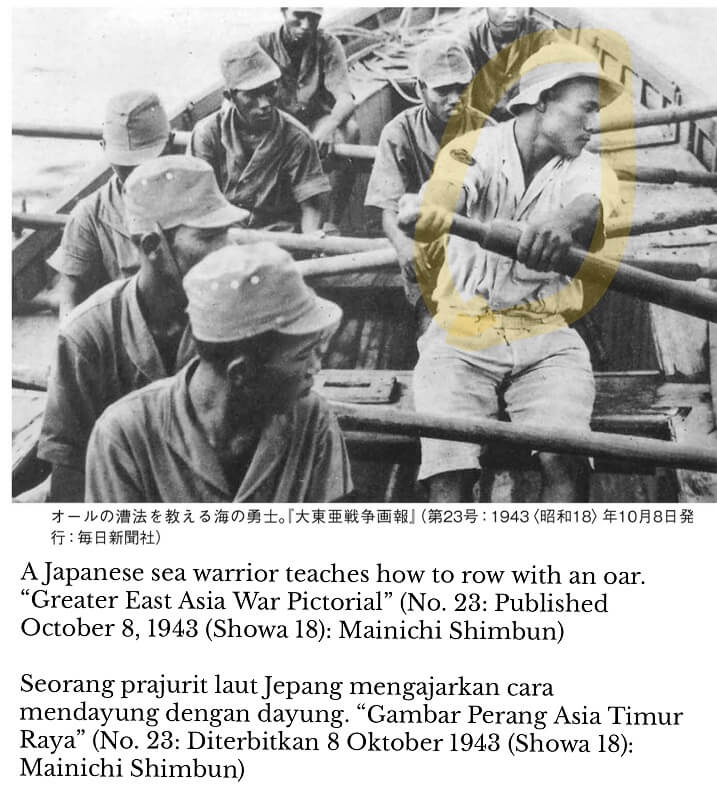
¶ Learning how to fight to defend their country
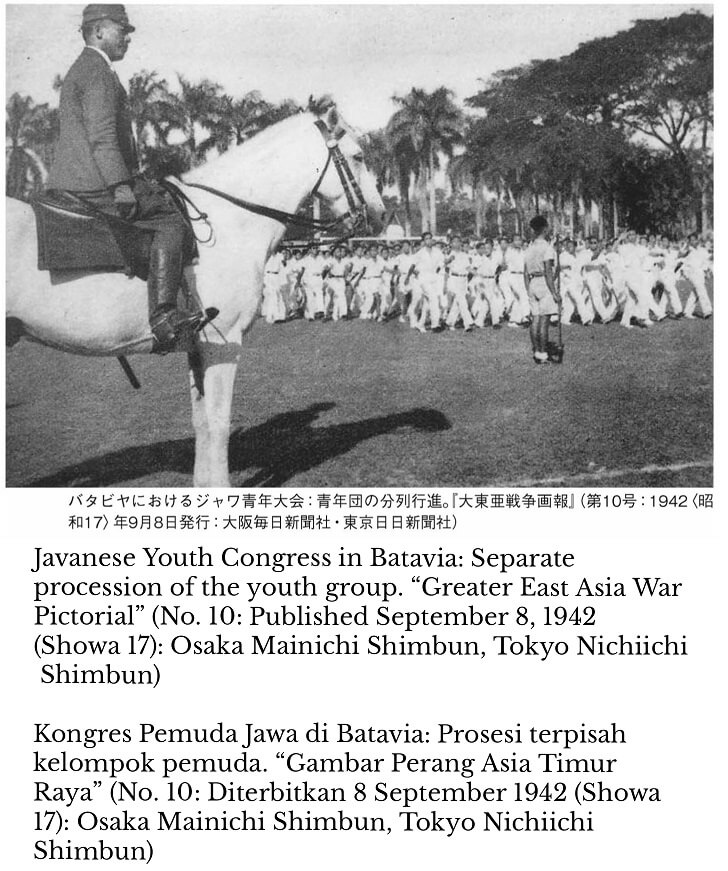
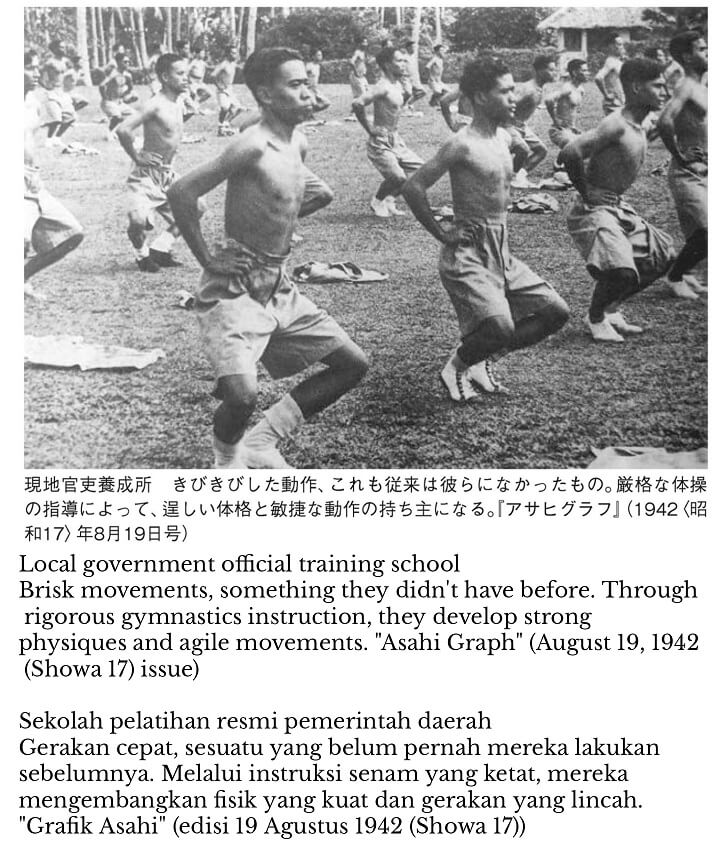
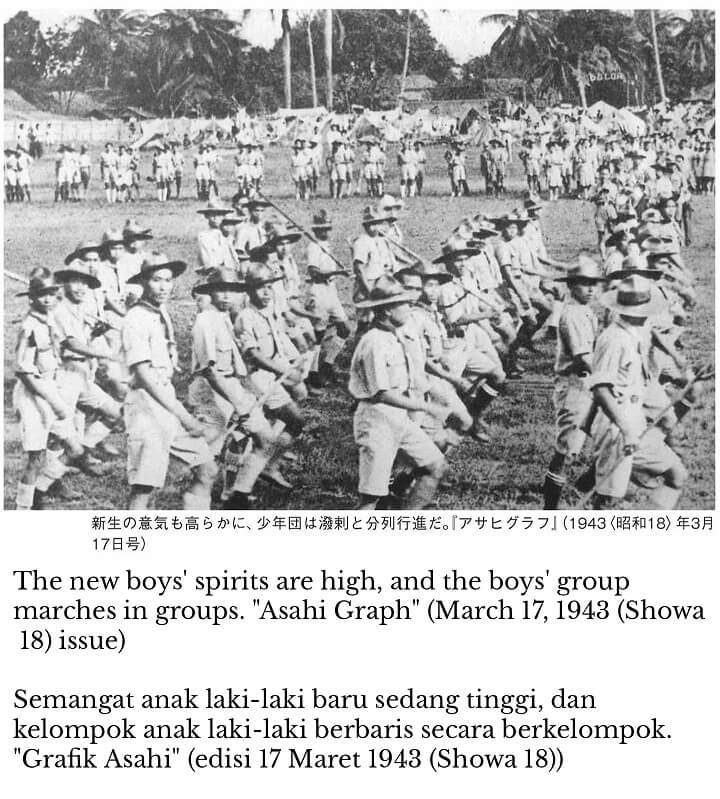
¶ After WW2, 2000 Japanese soldiers remained in Indonesia and fought unofficially for its independence
(Movie) The remained Japanese fought for the independence of Indonesia unofficially part1
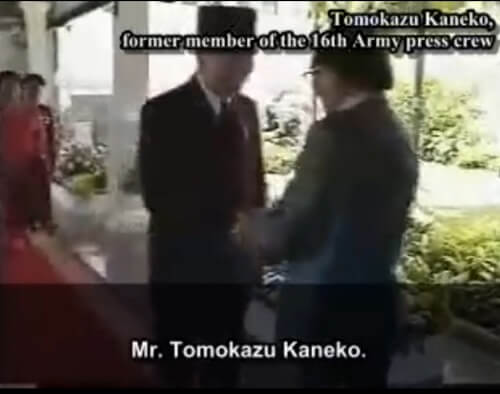
(Movie) The remained Japanese fought for the independence of Indonesia unofficially part2
|

|
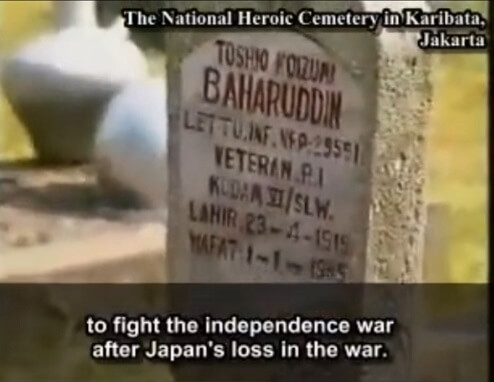
Tadashi Maeda 前田 精 Maeda had urged the Japanese naval captain Admiral Shibata to adopt a policy that would allow his Allied government, Indonesia, to declare its independence. “My own destiny is not important, the independence of the Indonesian people is important“ Maeda said. He was captured by the Allies and returned to Japan. Independence Celebration On August 17, 1977, the Indonesian government awarded him a Star of Service. |
|

|
Sakari Ono 小野 盛 Mr. Ono, the last surviving Japanese soldier left in Indonesia, learned Japanese surrender, he left the 27th Brigade Command Staff and joined the Indonesian War of Independence. After serving in Yogyakarta to train Indonesian recruits and instruct them in exercises, he participated in battles in various regions and was appointed as a lieutenant in the Indonesian army in December 1947. He lost his left hand in combat, and in June 1950, he married Dalkasi, a native of Batu City. He died in 2014 at the age of 94. |
|

|
Tomio Iwamoto 岩元 富夫 16th Army Military Police Officer. He said he felt like he wanted to fight against Dutch army even if he was alone. He joined Indonesian independence movement, was taken prisoner by the Dutch army, but he was able to return safely to Japan. |
|
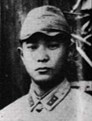 |
Furuo Kishi 岸 布留男 Kishi was a member of the Chubu 18 Unit from Okayama Prefecture. After the defeat of Japan, Indonesian people said, "Corporal Kishi, you promised the independence of Indonesia, didn’t you? Are the Japanese lying? In the end, I was defeated by the passion of the Indonesians. I joined the Independence Army with four of my comrades in arms at the hospital. |
 |
Sakae Kudo 工藤 栄 Kudo, who had a wife and child in Japan, left the Japanese army on his own and joined the Indonesian War of Independence. 1946, at the age of 34, he was killed by the Dutch army. Ten years later, in 1956, Wayan Kepelug, the local chief at the time, erected a cenotaph for him. |
 |
Tatsuo Ichiki 市来 龍夫 Ichirai was born in Kumamoto Prefecture and moved to Indonesia at the age of 22. After working as a journalist, he joined the army, developed a friendship with Indonesian independence faction, and remained in Indonesia after Japan's defeat in the war, died at the age of 42 fighting against the Dutch. His Indonesian name was Abdul Rahman. |
 |
Tomegoro Yoshizumi 吉住 留五郎 Yoshizumi, a native of Yamagata Prefecture, like Ichiki, traveled to Indonesia to become a reporter and joined the Indonesian independence movement. He died of illness at the young age of 37 due to torture by the Dutch. His Indonesian name was Arif. |
 |
 |
in TokyoTo Mr. Tatsuo Ichiki (市来 龍夫) and Mr. Tomegoro Yoshizumi (吉住 留五郎). Independence belongs not to one nation but to all mankind. Tokyo, August 15, 1958. Sukarno
¶ Anti-Japanese Propaganda
There are some anti-Japanese propagandas as explained below.
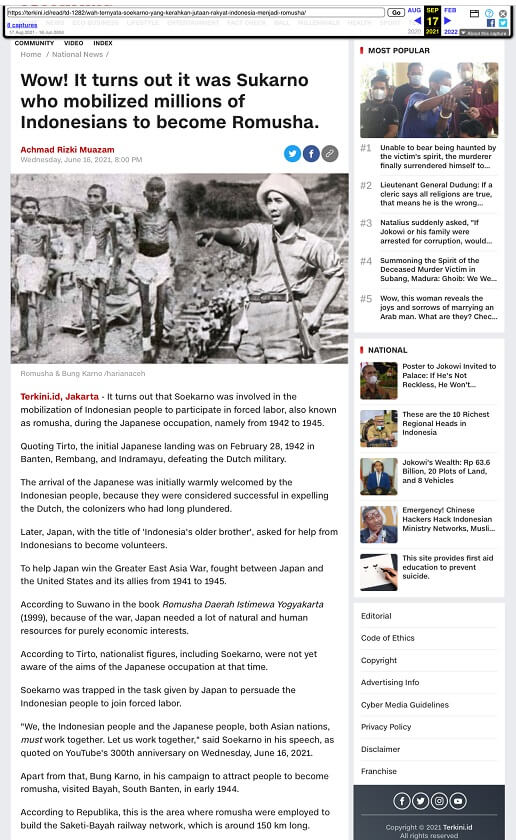
¶ Romusha
Romusha is a labor which allegedly Japanese forced Indonesians to do physical work and many died. It turned out it was Indonesian Sukarno who did so. Indonesia needed to build a force to match against Dutch. Some of them were too excessive.

Pontianak (Tragedi Pontianak) incident/ Mandor affair
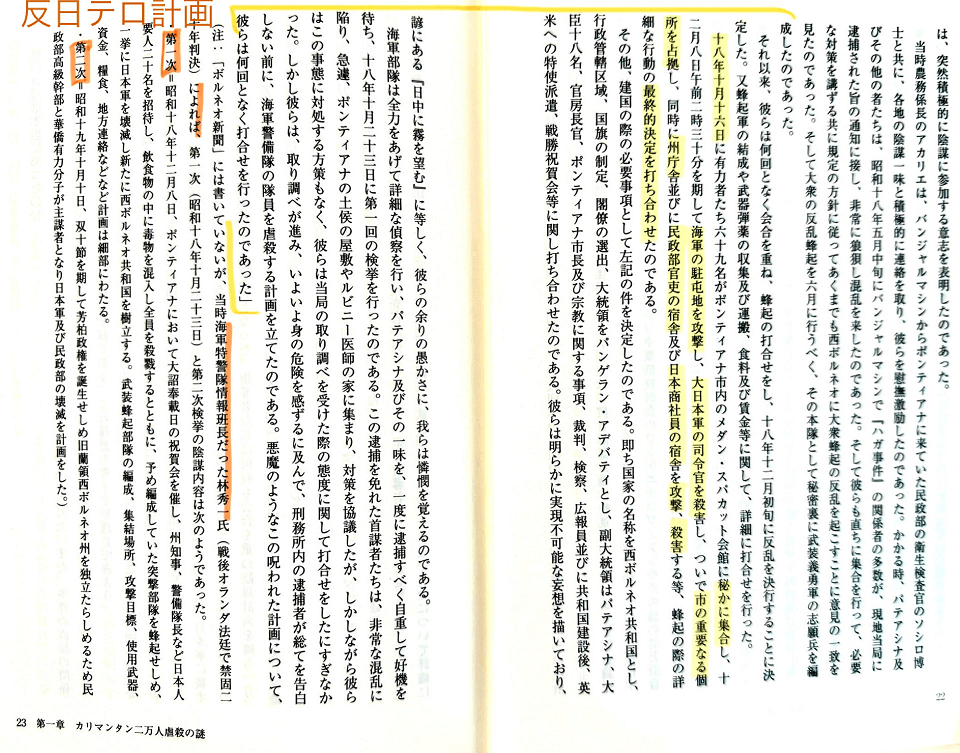
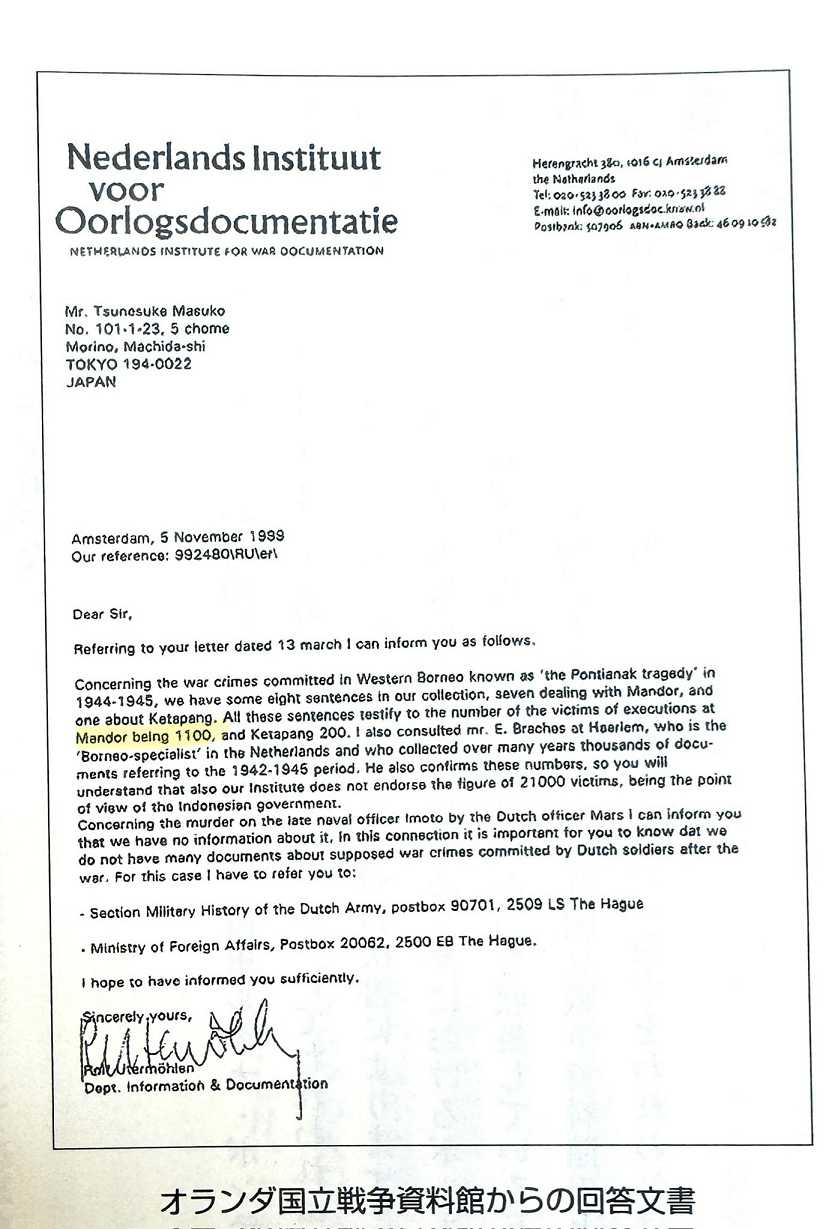
Allegedly Japanese killed 20K Indonesians since 1943 in Pontianak. But the truth is it is all about Japanese counter attack against anti-Japanese Chinese guerrillas and their plots to kill Japanese agitated by Dutch sympathizers. The number of death toll is also exaggerated, even Dutch record says 1100 as shown below.
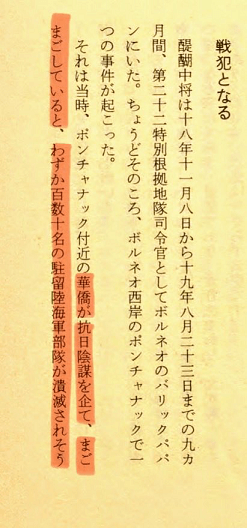
The book, “The Greater East Asia War and Indonesia: Japan's Military Administration September 1, 2002 Author: Yutaka Kato” 大東亜戦争とインドネシア: 日本の軍政 2002/9/1 加藤 裕 (著) shows the primary source about the
 |
|
(English translation) Since then, they held numerous meetings to plan the uprising, deciding to carry out the rebellion in early December of the eighteenth year. They also discussed in detail the formation of the insurgent army, the collection and transport of weapons and ammunition, as well as provisions and wages. On October 16, 18, sixty-nine influential figures secretly assembled at the Medan Spakat Hall in Pontianak City. They finalized the detailed plan for the uprising, setting the attack on the naval garrison for 2:30 AM on December 8. Their objectives included assassinating the commander of the Imperial Japanese Army, seizing key locations in the city, and simultaneously attacking the provincial government building, the residences of civil administration officials, and the lodgings of Japanese merchants. and kill them. They finalized the detailed actions for the uprising. Additionally, they decided on the following matters as necessary for establishing the nation. Namely, the state would be named the Republic of West Borneo. They discussed administrative jurisdiction, the adoption of a national flag, the selection of cabinet ministers, appointing Pangaran Adewati as President, Pateasina as Vice President, eighteen ministers, a Chief Cabinet Secretary, the Mayor of Pontianak, matters concerning religion, courts, prosecutors, public relations officers, and after the establishment of the Republic, the dispatch of special envoys to Britain and America, victory celebrations, and so forth. They were clearly painting an impossible fantasy, akin to the proverb “hoping for fog in broad daylight.” Their utter foolishness inspires pity in us. The naval forces exerted every effort to conduct detailed reconnaissance, biding their time to arrest Pateasina and his cohorts all at once. On October 23rd of the 18th year, they carried out the first round of arrests. The ringleaders who evaded arrest fell into utter confusion. They hastily gathered at the residence of the local chieftain in Pontianak and at Dr. Rubini's house to discuss countermeasures. However, they had no strategy to address the situation and merely coordinated their responses to interrogation by the authorities. However, as interrogations progressed and they increasingly sensed imminent danger, they devised a plan to massacre members of the Naval Reserve before all arrested prisoners in the prison confessed everything. They held repeated meetings concerning this diabolical, cursed plan. "Note: Though not mentioned in the Borneo Newspaper, according to Mr. Shuichi Hayashi (sentenced to two years' imprisonment by a Dutch court after the war), who was head of the Navy Special Intelligence Unit at the time, the conspiracies behind the first (October 23, 1943) and second arrests were as follows. First: On December 8, 1943, hold a celebration for the Grand Enlightenment Day in Pontianak, inviting twenty Japanese dignitaries including the Governor and the Security Unit Commander. Poison the food and drink to kill them all, simultaneously inciting a pre-organized assault unit to rise up. In one fell swoop, destroy the Japanese military and establish the new Republic of West Borneo. The plan detailed every aspect: formation of the armed insurgent force, assembly points, attack targets, weapons to be used, funding, provisions, local liaisons, and more. Second: On October 10, 1944 (Showa 19), coinciding with Double Ten Day, senior officials from the Civil Administration Department and influential members of the Chinese community planned to overthrow the Japanese military and the Civil Administration Department to establish the Fang Bai regime and achieve independence for the former Dutch West Borneo Province. |
Dutch response (from a book above, after inquiry by the author to Dutch)
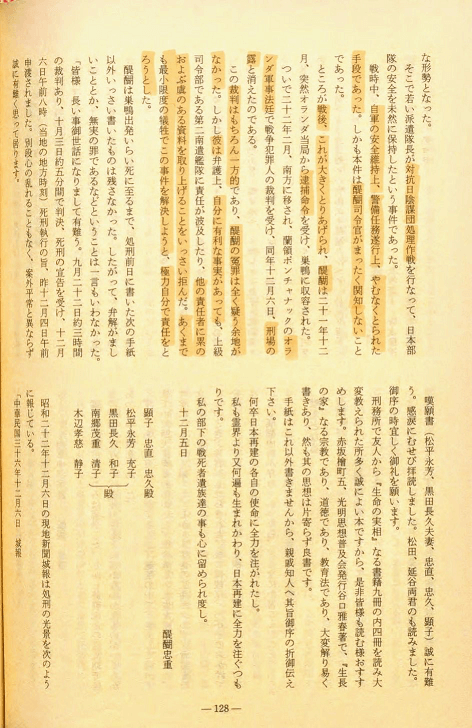
After the war, Tadashige Daigo (醍醐 忠重) was sentenced to death by an unjust Dutch victor's tribunal.
The book , Military Research in 1991 軍事研究 1991 26(5)(302) (you need to register to access Japanese national library)
 |
 |
|
(English translation) Becoming a War Criminal Lieutenant General Tadashige Daigo (醍醐 忠重) was stationed in Balikpapan, Borneo, as commander of the 22nd Special Base Force for nine months, from November 8, 1943, to August 23, 1944. Around that time, an incident occurred in Pontianak on Borneo's west coast. At that time, Chinese residents near Pontianak were plotting anti-Japanese activities. Due to indecisive actions, the small garrison of over a hundred Army and Navy troops stationed there faced imminent annihilation. It was an incident where a young detachment commander carried out an operation against the anti-Japanese conspiracy group, thereby securing the safety of the Japanese forces before the threat escalated. During wartime, it was an unavoidable measure taken to maintain the safety of our own forces and to carry out security duties. Moreover, Commander Daigo had absolutely no knowledge of this matter. However, after the war, this incident was greatly emphasized. In December 1946, Daigo suddenly received an arrest warrant from the Dutch authorities and was detained at Sugamo Prison. Subsequently, in February 1947, he was transferred south and tried as a war criminal by a Dutch military tribunal in Pontianak, Dutch East Indies. He was executed on December 6th of that same year. This trial was, of course, entirely one-sided, and there was absolutely no doubt that Daigo was a victim of a miscarriage of justice. However, in his defense, even when presented with facts favorable to himself, he categorically refused to bring up any evidence that might implicate his superior command, the Second South China Sea Fleet, or potentially implicate other responsible parties. He sought to resolve this incident with the absolute minimum sacrifice, striving to take responsibility himself to the utmost extent. From his departure from Sugamo until his death, Daigo left behind no written words other than the following letter written the day before his execution. Consequently, he uttered not a single word of excuse or claim of innocence. “Thank you all for your long-standing kindness. On September 22nd, there was a trial lasting about three hours. On October 3rd, in about five minutes, the verdict was delivered, and I received notice of the death sentence. Yesterday, December 4th, at 8:00 AM (local time), I was informed that the execution would take place on December 6th at 8:00 AM. My mind remains undisturbed, surprisingly no different from usual, and I am truly grateful.” |
Indonesian Comfort Women (Jugun Ianfu)
Comfort women, mostly Japanese and Korean, were military prostitutes.
Yet, many of those who claimed to be former comfort women lied, they were actually sold by their own parents or simply they were not comfort women at all.
Mardiyem was the former Indonesian comfort woman and her story probably is credible to believe she was a comfort woman. But the critical part ,who sent her to recruiter and received initial money? is questionable as the most of cases are.
Japanese web shows 3 different versions of her testimonies, as A 元慰 in 1997 , B イ慰 in 1997 , C イ従 in 2001. She changed as the other unreliable comfort women did. How reliable is it?
|
One major difference between the 1997 "A 元慰" and "B イ慰 " versions and the 2001 "C イ従" version is the role of the Japanese dentist, "Shogenji." In "A 元慰" and "C イ従," "Shogenji" recruited comfort women under false pretenses and actively tolerated the unqualified 13-year-old women. He is portrayed as the primary perpetrator in the case. It appears that "Shogenji" served as the mayor of Banjarmasin, and it is a strange story that the mayor himself recruited comfort women and escorted them to the comfort stations. Perhaps someone pointed this out, but in "C イ従," a previously unmentioned "Indonesian recruiter group" is introduced, and all recruitment and supervision was carried out by this group, with "Shogenji" providing guidance to the group. Furthermore, the story has changed from the woman having met Shogenji in person until then to her never having seen him. This is a flawed testimony. It's doubtful whether the mayor, Shogenji, was actually involved. |
Note: Japanese government issued apologies and paid compensation for a humanitarian reason, but this doesn't mean it changed the view that the nature of comfort women was the prostitute.